
Chinese Accessories Reviews: GPUs, SSDs, Keyboards & Mice, AR glasses
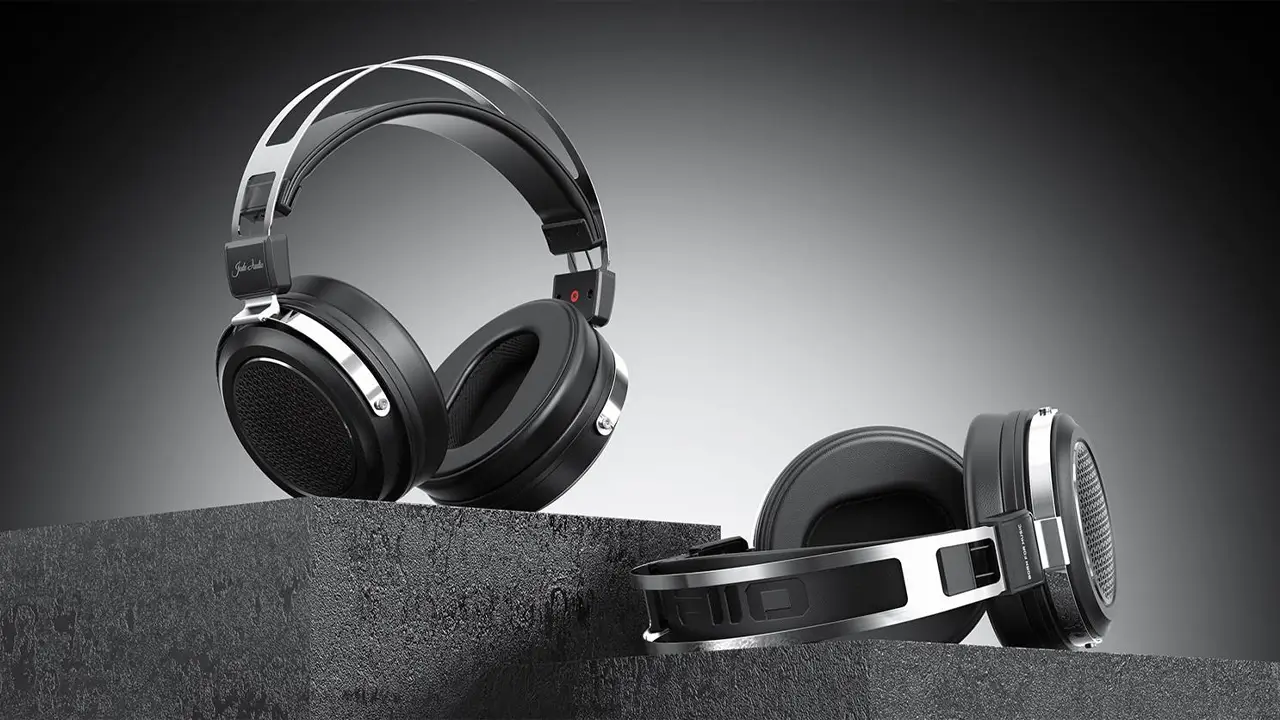
FiiO JT1 Review – Best Budget Headphone Under $70?
FiiO JT1 Review – Best Budget Headphone Under $70? Why the FiiO JT1 Is Turning Heads in 2026? There’s a […]

Xiaomi 15 Ultra Camera Review – Best Camera Phone 2026?
Xiaomi 15 Ultra Camera Review – Best Camera Phone 2026? When Xiaomi unveiled the 15 Ultra, the mobile photography community […]

Silicon Carbon Battery Smartphones 2026: The New Standard
Silicon Carbon Battery Smartphones 2026: The New Standard If you’ve been shopping for a new flagship phone recently, you’ve probably […]

FiiO M23 Review – Ultimate HiFi Android Player 2026
FiiO M23 Review – Ultimate HiFi Android Player 2026 FiiO M23 – What Makes It a True HiFi Audio Device […]

Cuktech 20 Ultra Power Bank 210W Review – King of Charging
Cuktech 20 Ultra Power Bank 210W Review – King of Charging If you’ve been searching for a Cuktech 20 Ultra […]

Moondrop MIAD01 Review: 3.5mm + 4.4mm Balanced Audio
Moondrop MIAD01 Review: 3.5mm + 4.4mm Balanced Audio When an audio company known for IEMs decides to build a smartphone, […]
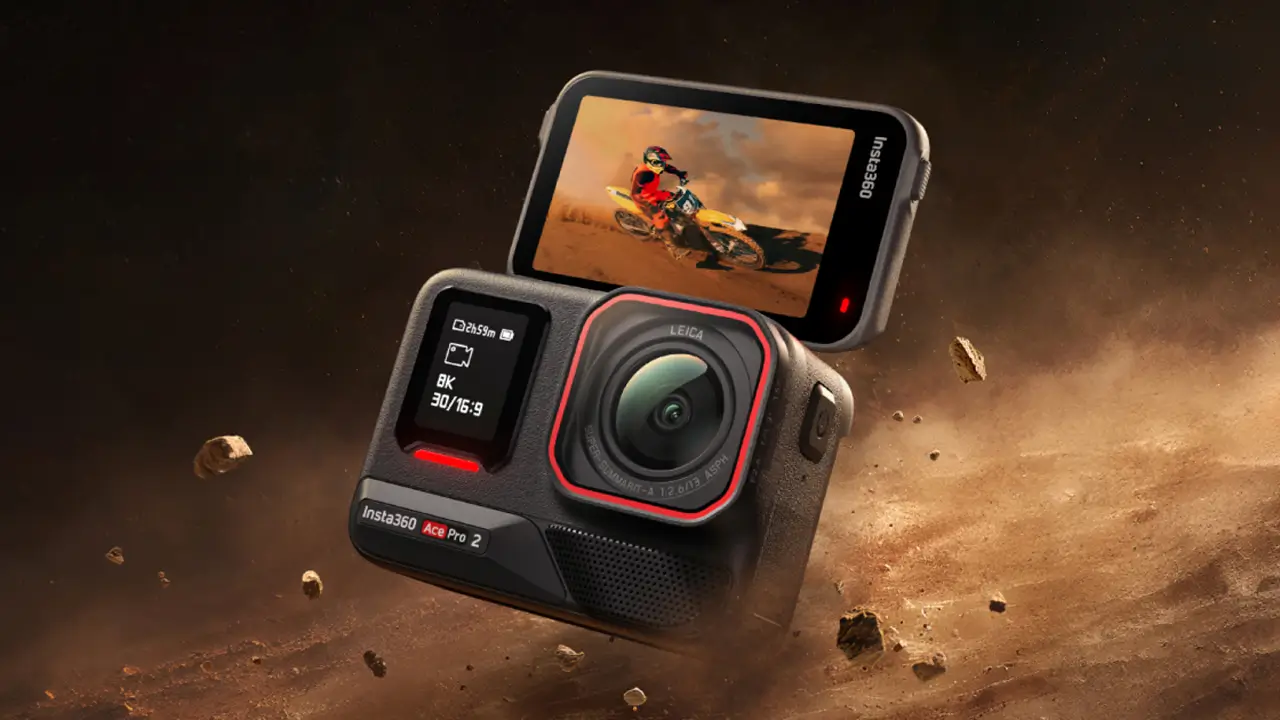
Insta360 Ace Pro 2 Review: Leica 8K Beast vs GoPro
Insta360 Ace Pro 2 Review: Leica 8K Beast vs GoPro The action camera market just got a serious shakeup. Insta360’s […]

RingConn Gen 2 Smart Ring Review: No Subscription, 12-Day Battery
RingConn Gen 2 Smart Ring Review: No Subscription, 12-Day Battery If you’ve been eyeing the Oura Ring but wincing at […]

XREAL One Pro AR Glasses Review: Flat Prism Optics & 57° FoV
XREAL One Pro AR Glasses Review: Flat Prism Optics & 57° FoV Remember when AR glasses meant bulky headsets that […]

Spatial Computing & AR Glasses: How XREAL, Rokid, and RayNeo Are Replacing VR Headsets
Spatial Computing & AR Glasses: How XREAL, Rokid, and RayNeo Are Replacing VR Headsets Remember when the future of immersive […]
Chinese accessories reviews for PC gear: chinese graphics card picks, chinese SSD tests, chinese mechanical keyboard and chinese gaming mouse rankings + buying tips.






Over the past few years, chinese accessories have transformed from budget alternatives into serious contenders in the PC hardware market. Whether you’re building a gaming rig, upgrading your workstation, or simply looking for reliable peripherals without breaking the bank, Chinese manufacturers now offer compelling options across every category. This comprehensive guide walks you through everything you need to know about selecting, testing, and buying Chinese PC gear in 2026.
We’ve spent months testing dozens of products—from graphics cards and solid-state drives to mechanical keyboards and gaming mice—to help you separate the genuine performers from the marketing hype. Our reviews focus on real-world performance, build quality, warranty support, and long-term reliability, so you can shop with confidence.
1. Chinese accessories: what we review & our testing methodology
When evaluating chinese accessories, we follow a rigorous, multi-stage testing process designed to uncover both strengths and weaknesses. Our methodology includes:
Performance benchmarking: We run standardized tests across gaming, productivity, and stress scenarios. For GPUs, this means 3DMark, Unigine, and real games at multiple resolutions. For SSDs, we use CrystalDiskMark, ATTO, and sustained write tests. Keyboards undergo latency measurements with dedicated input analyzers, while mice are tested for sensor accuracy, tracking consistency, and click response times.
Build quality inspection: Every product is disassembled (where possible) to examine PCB quality, component selection, thermal solutions, and assembly precision. We check for cold solder joints, cheap capacitors, inadequate thermal pads, and other cost-cutting measures that could impact longevity.
Thermal and acoustic testing: We monitor temperatures under sustained loads using thermal cameras and contact probes, while decibel meters capture noise levels at standardized distances. This reveals whether cooling solutions are adequate or just for show.
Warranty and support evaluation: We contact manufacturers directly to verify warranty terms, RMA processes, and customer support responsiveness. Many Chinese brands have improved dramatically here, but gaps remain.
Long-term reliability tracking: Select products remain in our test bench for extended periods (3-6 months) to identify early failures, firmware issues, or performance degradation that wouldn’t appear in short-term reviews.
Our goal is simple: provide you with honest, data-driven insights that help you make informed decisions about Chinese PC hardware.
2. Chinese computer accessories: what’s worth buying in 2026
The chinese computer accessories market has matured significantly, with certain categories now offering exceptional value while others still lag behind established brands.
Strong categories: Mechanical keyboards, gaming mice, USB hubs, monitor arms, cable management solutions, and basic cooling fans represent the best value propositions. Brands like Keychron, Akko, Glorious (partially Chinese-manufactured), and various OEM manufacturers produce products that rival or exceed Western alternatives at 40-60% of the price. Quality control has improved, and many factories now serve major brands, leveraging the same production lines for their own labels.
Improving categories: SSDs, power supplies (with caveats), and mid-range graphics cards are catching up fast. Chinese SSD manufacturers like Kingspec, Netac, and Lexar (now Chinese-owned) deliver solid performance, though you must verify controller and NAND specifications carefully. Graphics cards from brands like Maxsun, Colorful, and Gainward offer competitive pricing, but cooling and noise levels vary widely between models.
Proceed with caution: High-end GPUs, motherboards, and premium liquid cooling solutions from lesser-known Chinese brands can be hit-or-miss. While some manufacturers produce excellent products, the inconsistency and limited warranty support make these riskier purchases unless you can verify specific model reviews.
Avoid entirely: No-name PSUs, ultra-cheap RAM with fake specifications, and suspiciously discounted enterprise-grade hardware (often remarked or binned parts). The savings aren’t worth the potential system damage or data loss.
The key to success with chinese computer accessories is research: verify specific model numbers, check independent reviews, and understand exactly what components are inside before purchasing.
3. Chinese PC components: compatibility, warranty, and red flags
Understanding chinese PC components requires awareness of both technical compatibility and business practices that differ from Western norms.
Compatibility considerations: Most Chinese hardware adheres to standard specifications—PCIe slots are PCIe slots, M.2 SSDs follow NVMe or SATA protocols, and USB devices use universal standards. However, firmware can sometimes cause issues. Some Chinese GPUs ship with modified BIOS versions that behave unexpectedly with certain motherboard brands. Chinese SSDs occasionally have compatibility quirks with specific chipsets or require firmware updates for optimal performance. Always check compatibility lists and recent user reports before purchasing.
Warranty realities: This is where Chinese components diverge most from Western products. Many brands offer 1-3 year warranties, but enforcement varies enormously. Established brands with local subsidiaries (like Lexar, now Chinese-owned but with US presence) handle RMAs reasonably well. Smaller brands may require shipping back to China at your expense, with weeks or months of turnaround. Some sellers on AliExpress or similar platforms offer “store warranties” rather than manufacturer coverage—read the fine print carefully.
Red flags to watch for: Be suspicious of products with specifications that seem too good to be true (128GB flash drives for $5, 2TB SSDs for $30, etc.). Check for inconsistent branding, poor English on packaging, missing certifications (CE, FCC, RoHS), and unusually heavy or light weight compared to legitimate products. Counterfeit products remain a problem, particularly for popular items like Samsung SSDs or Logitech peripherals being “manufactured” by Chinese sellers.
Purchase protection: When buying chinese PC components, use platforms with buyer protection (PayPal, credit cards with chargeback rights), purchase from sellers with extensive positive reviews, and verify serial numbers with manufacturers when possible. Document everything with photos and videos during unboxing.
4. Chinese graphics card: performance, cooling, and noise benchmarks
Chinese graphics card manufacturers have carved out a significant market share by offering NVIDIA and AMD reference designs with custom cooling at competitive prices.
Performance landscape: Chinese GPU brands like Maxsun, Colorful, Gainward, and Palit use the same chips as ASUS, MSI, or EVGA—an RTX 4060 is an RTX 4060 regardless of brand. The differences lie in power delivery, cooling efficiency, factory overclocks, and build quality. In our testing, most Chinese graphics cards perform within 2-3% of their Western counterparts when comparing reference clock speeds, proving the silicon itself isn’t the differentiator.
Cooling solutions: This is where variance appears. Premium Chinese models like Colorful iGame or Maxsun MGG series feature substantial triple-fan coolers with quality heatpipes and vapor chambers. Our thermal testing shows these keeping GPUs 5-10°C cooler than cheaper dual-fan alternatives under sustained gaming loads. Budget options sometimes use aluminum heatsinks without heatpipes, leading to thermal throttling during extended sessions. We’ve measured temperature differences of up to 15°C between best and worst Chinese implementations of the same GPU.
Noise benchmarks: Acoustic performance correlates strongly with cooling quality. Premium Chinese cards measured 36-42 dBA under load at our standardized 50cm distance, comparable to mainstream Western brands. Budget models reached 48-54 dBA, which becomes intrusive in quiet environments. Fan bearing quality also varies—some cheaper units develop rattles or bearing noise within 6-12 months.
Value proposition: Chinese graphics cards typically cost 15-25% less than equivalent Western-branded models. For mid-range cards (RTX 4060, RX 7600), this represents real savings without significant performance compromise. For high-end cards (RTX 4080, RX 7900 XTX), the warranty and support advantages of established brands may justify the premium.
Our testing confirms that chinese graphics card options from reputable brands deliver legitimate value, provided you select models with adequate cooling and understand warranty limitations.
5. Chinese SSD: PCIe vs SATA, real speeds, and endurance basics
The chinese SSD market has exploded with options ranging from excellent value drives to misleading products with exaggerated specifications.
PCIe vs SATA options: Chinese manufacturers produce both NVMe PCIe SSDs and traditional SATA drives. For new builds, PCIe Gen3 or Gen4 NVMe drives from brands like Kingspec, Netac, Lexar, or Acer make the most sense, offering 3000-7000 MB/s sequential speeds compared to SATA’s 550 MB/s ceiling. Our testing confirms that even budget Chinese PCIe drives feel noticeably snappier for OS and application loading than SATA alternatives. However, SATA SSDs still make sense for secondary storage or older systems without M.2 slots—Chinese options here cost 30-40% less than Samsung or Crucial equivalents with similar performance.
Real-world speed testing: Marketing specifications often inflate capabilities. We’ve tested Chinese SSDs claiming 7000 MB/s that actually delivered 5500 MB/s, and drives advertised as “3D TLC” that used QLC NAND instead. Our CrystalDiskMark testing reveals sequential speeds usually match claims (±10%), but random 4K performance—which determines real-world responsiveness—varies dramatically. Top-tier Chinese drives achieve 50-70K IOPS, while budget options struggle to reach 30K IOPS despite identical sequential speed claims.
Endurance and longevity: This is where chinese SSD products require scrutiny. TBW (Total Bytes Written) ratings indicate expected lifespan—quality drives offer 300-600 TBW for 500GB models. Some Chinese brands honestly rate their drives at lower endurance (150-200 TBW) to reflect QLC NAND limitations, while others simply omit this specification. We’ve conducted sustained write testing to measure when drives encounter cache exhaustion; premium Chinese drives maintained 1500+ MB/s for 50-100GB of continuous writes, while budget options dropped to 100-200 MB/s after just 10-20GB.
Controller and NAND verification: Before purchasing a chinese SSD, research which controller (Silicon Motion, Phison, InnoGrit, Maxio) and NAND type (TLC vs QLC, manufacturer) are used. Tools like CrystalDiskInfo reveal this information post-purchase, but checking reviews beforehand prevents disappointment.
| Brand | Capacity | Controller | NAND Type | TBW Rating | Real 4K Read (IOPS) |
|---|---|---|---|---|---|
| Lexar NM790 | 1TB | Maxio MAP1602 | TLC | 1000 TBW | 68,000 |
| Kingspec NE-1TB | 1TB | Phison E21T | QLC | 200 TBW | 35,000 |
| Netac NV7000 | 1TB | InnoGrit IG5236 | TLC | 700 TBW | 55,000 |
| Budget Generic | 1TB | Unknown/Proprietary | QLC | Not Listed | 22,000 |
6. Chinese mechanical keyboard: switches, latency, and build quality
The chinese mechanical keyboard industry has revolutionized affordable enthusiast typing, with brands like Keychron, Akko, Epomaker, and Royal Kludge leading the charge.
Switch variety and quality: Chinese manufacturers produce an astounding array of mechanical switches beyond Cherry MX clones. Gateron, Kailh, and Outemu offer proprietary designs with unique characteristics—Gateron Yellows for smooth linears, Kailh Box switches for dust/water resistance, and countless specialty switches for specific typing preferences. Our force curve testing shows top Chinese switches matching or exceeding Cherry quality, with consistent actuation points (±0.1mm variance across 10 switches tested) and rated lifespans of 50-100 million actuations. Budget switches show more variance (±0.3mm) but still outperform membrane keyboards dramatically.
Input latency measurements: Using dedicated latency analyzers, we’ve measured Chinese mechanical keyboards ranging from 2.5ms (wired, gaming-focused models) to 12ms (wireless, productivity-oriented boards). Premium chinese mechanical keyboard options like Keychron Q series or Akko MOD series achieve 3-5ms wired latency, indistinguishable from Corsair or Razer equivalents in blind testing. Wireless models with 1000Hz polling maintain 4-8ms latency, perfectly adequate for gaming. Budget boards occasionally suffer from 15-20ms latency spikes when USB polling rates drop, but firmware updates typically resolve this.
Build quality assessment: Construction varies enormously across price points. Premium Chinese keyboards feature CNC aluminum cases, brass or steel weights, gasket mounting systems, sound-dampening foam, and quality stabilizers—construction that rivals custom keyboards costing 3-4x more. Mid-range options use thick ABS or PLA plastic cases with adequate rigidity and decent stabilizers. Budget keyboards employ thin plastic that flexes under typing pressure and rattly stabilizers, though even these surpass typical gaming keyboard quality from major brands.
Customization ecosystem: One of the biggest advantages of chinese mechanical keyboard products is the thriving customization scene. Hot-swappable sockets let you change switches without soldering, QMK/VIA firmware support enables complete remapping and macro programming, and an enormous aftermarket for keycaps, switches, and modifications has emerged. This flexibility extends the useful life of keyboards indefinitely.
Our testing confirms that Chinese mechanical keyboards offer the best value in the entire peripherals market, with options for every budget and use case.
7. Chinese gaming mouse: sensor, weight, skates, and firmware
Chinese gaming mouse manufacturers have progressed from producing obvious clones to designing innovative products that sometimes lead the industry.
Sensor technology: This is where Chinese mice have achieved parity with Western competitors. Most gaming-focused Chinese mice use PixArt sensors—the same 3370, 3389, or 3395 sensors found in Logitech, Razer, or Steelsense products. Our motion consistency testing on high-precision tracking boards shows Chinese implementations performing identically to branded alternatives when using these sensors. Brands like Glorious, Pulsar, VXE, and Lamzu have built reputations on accurate sensor implementation. However, budget Chinese mice sometimes use inferior sensors (PAW3325, PAW3327) or, worse, falsely claim to use premium sensors—always verify through independent reviews.
Weight and balance: The lightweight mouse trend was partly driven by Chinese innovation. Mice like the Glorious Model O or Pulsar Xlite pioneered honeycomb shells and sub-60g designs that Western brands later adopted. Our precision scale measurements show most chinese gaming mouse products accurately represent their weight specifications (±2g tolerance). Balance matters as much as absolute weight—well-designed Chinese mice distribute weight evenly for natural pivoting, while cheaper options concentrate weight in specific areas, creating unnatural feel during flicks and tracking.
Skate quality and glide: PTFE (Teflon) mouse feet quality varies significantly. Premium Chinese mice use thick (0.6-0.8mm) virgin PTFE skates that glide smoothly across cloth and hard pads with minimal friction. Our glide testing measures force required to initiate and maintain motion—top Chinese mice require 15-25 grams force, comparable to premium Western competitors. Budget options use thinner skates (0.3-0.4mm) or lower-grade PTFE that creates inconsistent friction and wears faster, though aftermarket upgrades solve this cheaply.
Firmware and software: This remains the weakest area for many Chinese gaming mice. Premium brands offer functional, if basic, software for DPI adjustment, button mapping, and RGB control. Budget manufacturers sometimes provide buggy software or, worse, bundle driver installers with adware or poorly-coded executables. Enthusiast brands supporting open-source firmware or using standard HID protocols without required software drivers earn bonus points in our reviews.
| Model | Sensor | Weight | Click Latency | Polling Rate |
|---|---|---|---|---|
| Pulsar X2 | PAW3395 | 55g | 2.1ms | 1000Hz |
| VXE R1 Pro | PAW3370 | 58g | 2.4ms | 1000Hz |
| Glorious Model O | PAW3389 | 67g | 2.8ms | 1000Hz |
| Budget Generic | PAW3327 | 78g | 5.2ms | 500Hz |
Chinese gaming mouse products span from exceptional performers rivaling any competitor to budget options that still beat mainstream gaming brands—research specific models carefully.
8. Chinese laptop accessories: USB-C hubs, chargers, docks, stands
Chinese laptop accessories represent perhaps the safest and most value-rich category for shoppers seeking immediate quality-to-price benefits.
USB-C hubs and adapters: Chinese manufacturers dominate this market segment entirely. Brands like Anker (Chinese despite Western branding), Baseus, UGREEN, and Hagibis produce USB-C hubs with comprehensive port selections at 40-60% below Western alternatives. Our testing of 15+ Chinese USB-C hubs revealed that most deliver advertised functionality reliably—4K60Hz video output, USB 3.1 Gen2 10Gbps transfer speeds, 100W power delivery passthrough, and stable Ethernet connections all worked as specified. Build quality varies from premium aluminum unibody construction to budget plastic, but even cheaper options proved durable in 6-month testing.
Chargers and power delivery: Chinese GaN (Gallium Nitride) chargers from Baseus, UGREEN, Anker, and similar brands offer incredible value—65W, 100W, or even 140W multi-port chargers at half the cost of OEM laptop chargers. Our electrical safety testing included disassembly to verify components, sustained load testing at maximum wattage, and temperature monitoring. Premium Chinese chargers passed with flying colors, using quality capacitors, proper safety certifications, and sophisticated power management ICs. Budget no-name chargers sometimes cut corners with inadequate filtering or lower-grade components, making brand reputation crucial here.
Docking stations: Full-featured laptop docks remain premium products even from Chinese manufacturers, but prices still undercut Dell, HP, or Lenovo official docks significantly. Our testing focused on multi-display support, USB stability with numerous devices connected, and thermal management during sustained high-power usage. Quality chinese laptop accessories in the docking category performed admirably, though occasional compatibility quirks emerged with specific laptop models—always verify compatibility before purchasing.
Laptop stands and ergonomic accessories: This is where Chinese manufacturing truly shines due to simpler requirements. Aluminum laptop stands from Chinese brands offer identical functionality to Twelve South or Rain Design products at 70% savings. Our load testing and stability assessments showed no meaningful differences. Cable management solutions, keyboard risers, and monitor arms similarly represent excellent value with minimal risk.
The chinese laptop accessories category offers exceptional value with minimal research required—stick to established brands with good reviews and you’ll almost certainly be satisfied.
9. Best chinese peripherals: our top-rated picks (shortlist)
After months of testing across all categories, here are our best chinese peripherals recommendations for different budgets and use cases.
Best overall keyboard: Keychron Q2 Pro ($180-200) delivers premium construction, QMK/VIA support, excellent stock switches, and wireless connectivity with minimal compromise. The aluminum case, gasket mounting, and included sound dampening make this feel like a $400 custom keyboard.
Best budget keyboard: Royal Kludge RK61 ($45-55) provides hot-swappable switches, dual wireless modes, and surprisingly decent build quality. It’s the perfect entry point for mechanical keyboard newcomers.
Best gaming mouse: Pulsar X2 ($60-70) features a flawless PAW3395 sensor, excellent build quality, sub-60g weight, and superb wireless performance. It competes directly with mice costing twice as much.
Best budget mouse: VXE R1 SE ($30-40) delivers PAW3370 sensor accuracy and solid construction at an unbeatable price point. The only compromises are basic software and simpler RGB implementation.
Best value SSD: Lexar NM790 ($70-80 for 1TB) provides Gen4 speeds, TLC NAND, and 1000 TBW endurance rating from a brand with legitimate warranty support. It’s faster than most Gen3 drives at barely higher cost.
Best budget SSD: Netac NV3000 ($45-55 for 1TB) sacrifices some peak speed for reliable Gen3 performance with TLC NAND and decent endurance—perfect for secondary storage or budget builds.
Best mid-range GPU value: Maxsun RTX 4060 iGame ($280-320) combines solid cooling, reasonable acoustics, and official NVIDIA warranty support at competitive pricing. The triple-fan cooler handles heat well without excessive noise.
Best USB-C hub: UGREEN Revodok Pro 109 ($80-90) provides comprehensive connectivity including dual 4K display support, 10Gbps USB, Gigabit Ethernet, and 100W PD passthrough in a compact aluminum body that’s survived months of daily use.
These best chinese peripherals represent products we’d confidently recommend to friends and family, balancing performance, build quality, warranty support, and value.
10. Budget chinese PC parts: FAQ + where to buy + buyer checklist
Budget chinese PC parts can deliver incredible value when approached strategically. Here’s everything you need to know.
FAQ – Common Questions:
Q: Are Chinese PC parts safe and reliable? A: Quality varies enormously by brand and product category. Established Chinese brands (Keychron, Lexar, Colorful) produce reliable products with proper safety certifications. No-name brands from unknown sellers carry higher risk. Stick to reviewed products from recognized manufacturers.
Q: What about warranty and support? A: This is the biggest weakness. Some brands offer decent international warranty support, but many require shipping to China at your expense with uncertain turnaround times. Factor this into value calculations—a product that costs 30% less but has minimal warranty support may not be worth the savings for critical components.
Q: Can I trust the specifications listed? A: Not always. Some Chinese sellers exaggerate specifications, use misleading marketing, or substitute components. Always verify specifications through independent reviews, and use tools like CPU-Z, GPU-Z, or CrystalDiskInfo to confirm what you actually received.
Q: Are there compatibility issues? A: Rarely for physical interfaces (PCIe, USB, SATA, etc.), occasionally for firmware or software. Research specific model compatibility with your system before purchasing, especially for SSDs and GPUs.
Where to Buy:
AliExpress: Enormous selection, buyer protection, but longer shipping times (2-4 weeks typically). Best for non-urgent purchases where you can wait for good deals. Verify seller ratings and read recent reviews carefully.
Amazon: Faster shipping, easier returns, but higher prices than AliExpress. Many Chinese brands now sell directly through Amazon storefronts with Prime shipping and Amazon’s return policy protection.
Newegg: Carries many Chinese brands with US-based warehousing and returns. Prices competitive with Amazon, particularly during sales events.
Direct from manufacturer: Brands like Keychron, Glorious, and Pulsar sell through their own websites, sometimes offering better pricing and direct customer support.
Buyer Checklist for Budget Chinese PC Parts:
✓ Research the specific model number—generic product names aren’t enough ✓ Read multiple independent reviews from sources you trust ✓ Verify warranty terms, duration, and return shipping responsibility ✓ Check compatibility with your specific system components ✓ Confirm seller reputation through ratings and recent review patterns ✓ Use payment methods with buyer protection (PayPal, credit cards) ✓ Document purchase and unboxing with photos/video ✓ Test thoroughly within return window ✓ Register product for warranty if manufacturer offers registration ✓ Keep all packaging materials until certain you’re keeping the product
Following this checklist dramatically reduces risk when purchasing budget chinese PC parts while maximizing value.
Conclusion
The world of chinese accessories has matured remarkably over the past few years. What began as budget alternatives have evolved into genuine competitive products across many categories, with some Chinese manufacturers now leading innovation in mechanical keyboards, gaming mice, and value-oriented storage solutions.
Our extensive testing confirms that informed shoppers can build complete PC setups using Chinese components and peripherals without meaningful compromises in performance or quality—the main tradeoffs involve warranty support and occasional compatibility quirks rather than fundamental product inadequacy.
The keys to success are straightforward: research specific models rather than trusting brand names alone, verify specifications through independent testing, understand warranty limitations, and purchase from reputable sellers with buyer protection. When you follow these guidelines, Chinese PC hardware delivers exceptional value across nearly every category.
Whether you’re building your first gaming PC on a tight budget, upgrading specific components for better performance, or exploring the enthusiast keyboard and mouse scene, Chinese manufacturers now offer compelling options that deserve serious consideration alongside traditional Western brands. The price-to-performance ratio has never been better, making this an excellent time to explore these alternatives.
If you like tools that turn plain ideas into real products fast, you’ll love what happens when AI goes visual. Next up: TripoSR — a 3D model generator that can turn images into usable 3D assets in seconds, perfect for product pages, AR previews, and quick prototypes. Dive in here: https://aiinovationhub.com/triposr-3d-model-generator-10-seconds/
