


Anycubic
Shenzhen, China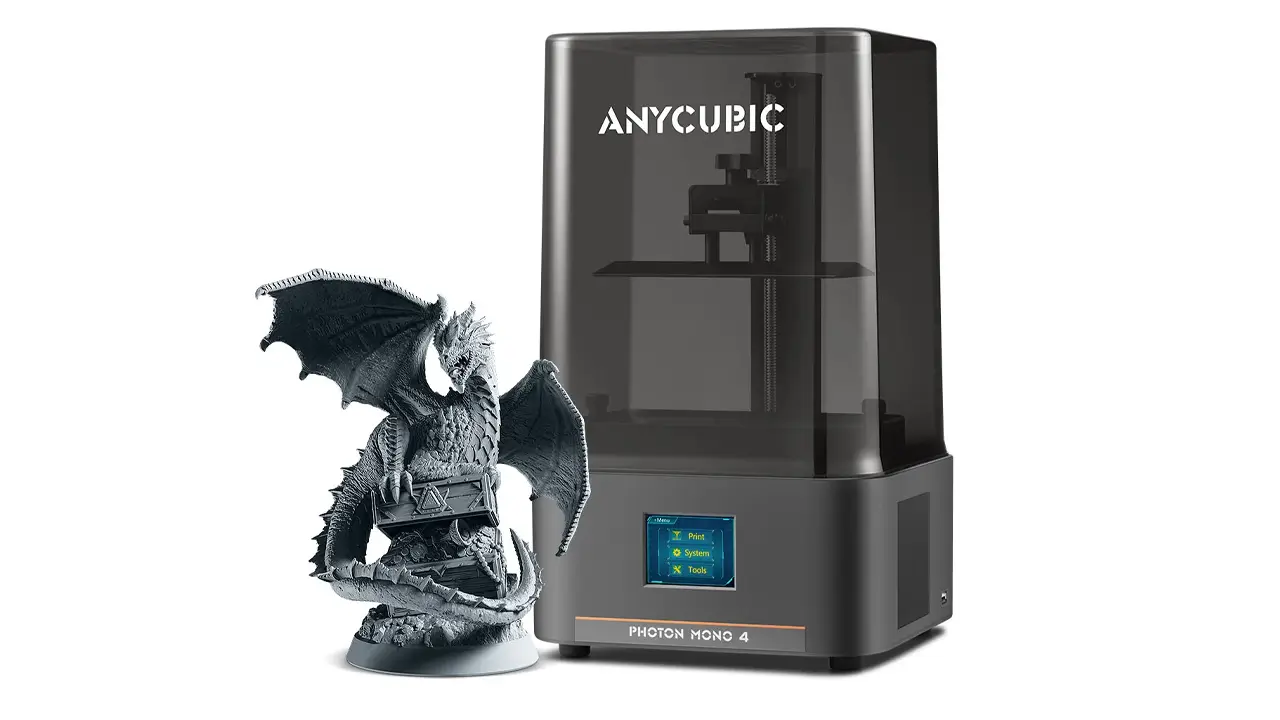
3D Printers & Materials
Speed, stability, and modern electronics. Automatic calibration, high printing speed, well-designed mechanics, and multicolor support for FDM and resin printing.
Creality
Shenzhen, China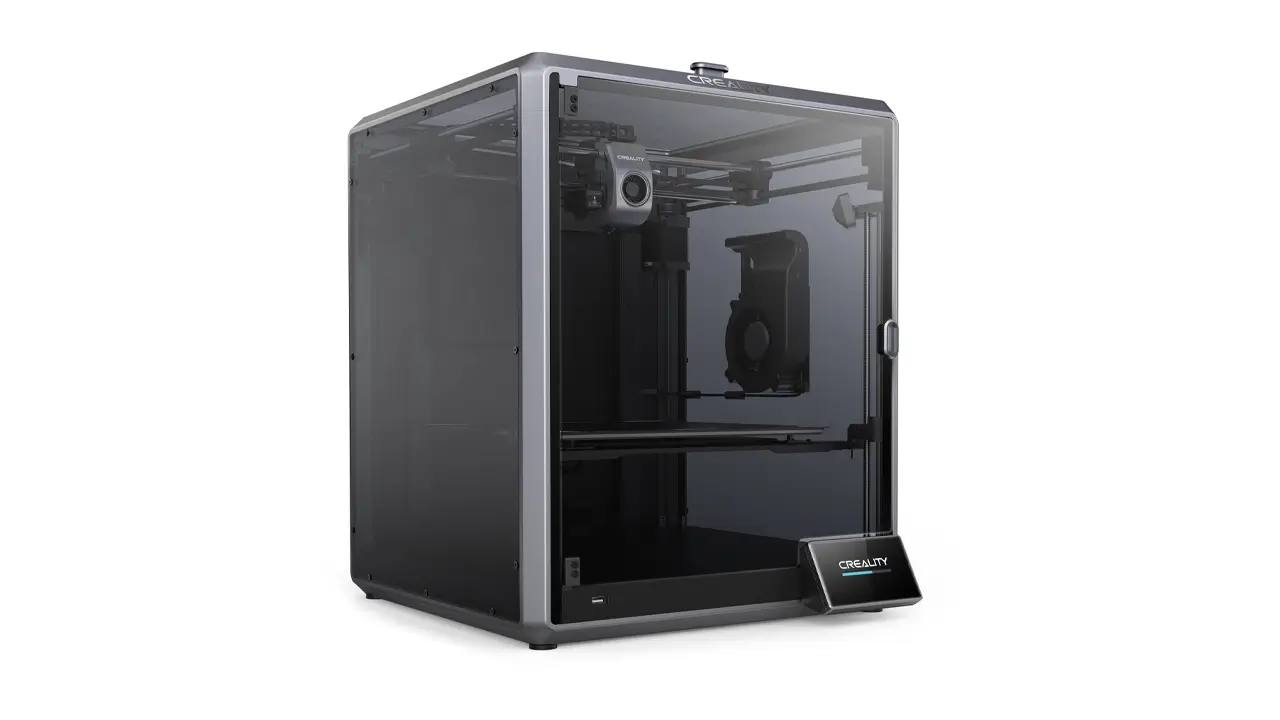
3D Printers & Accessories
The world's most popular 3D printer brand. Ender series legends, K1 high-speed models, and reliable budget options for every maker with massive community support.
Elegoo
Shenzhen, China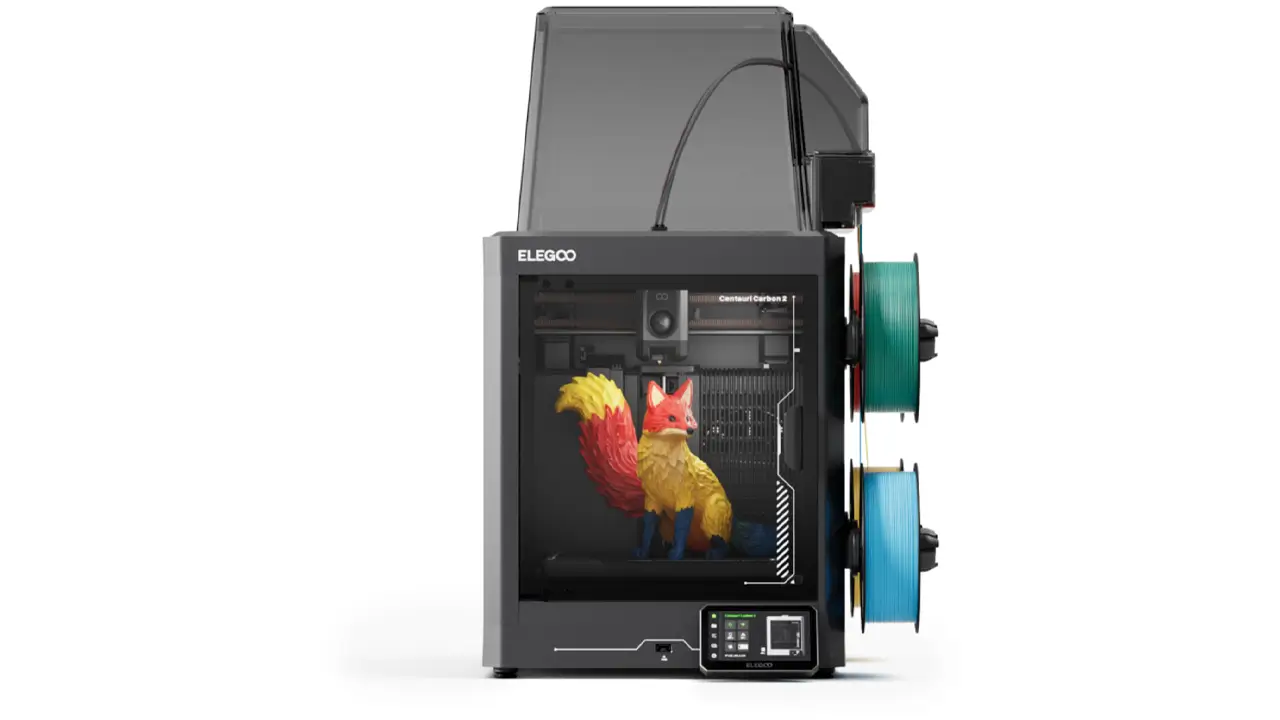
Resin & FDM Printers
Leading manufacturer of resin and FDM 3D printers. Saturn series for high-detail resin printing, Neptune series for reliable FDM. Perfect for miniatures, jewelry, and prototyping.
Flashforge
Jinhua, China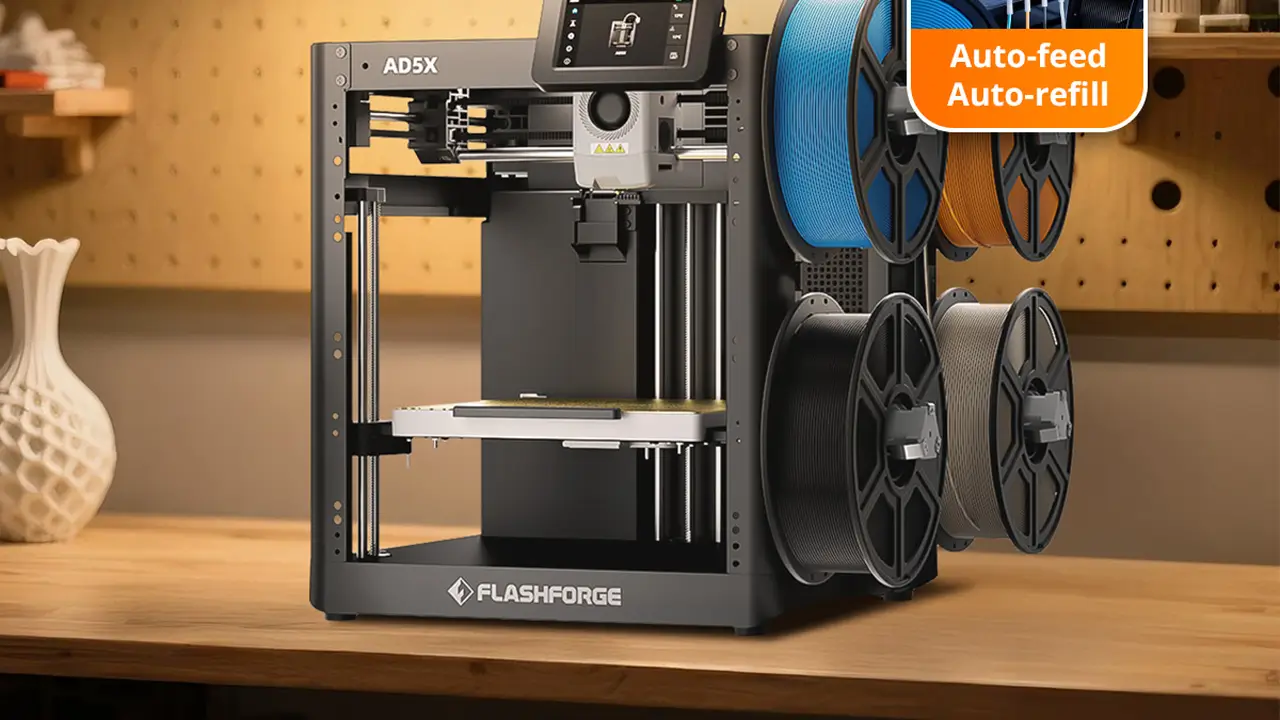
Industrial Stability
Industrial stability with intuitive controls. Reliable mechanics, enclosed enclosures for stable ABS and nylon printing, high-quality assembly for education and professional use.
Qidi Tech
Shenzhen, China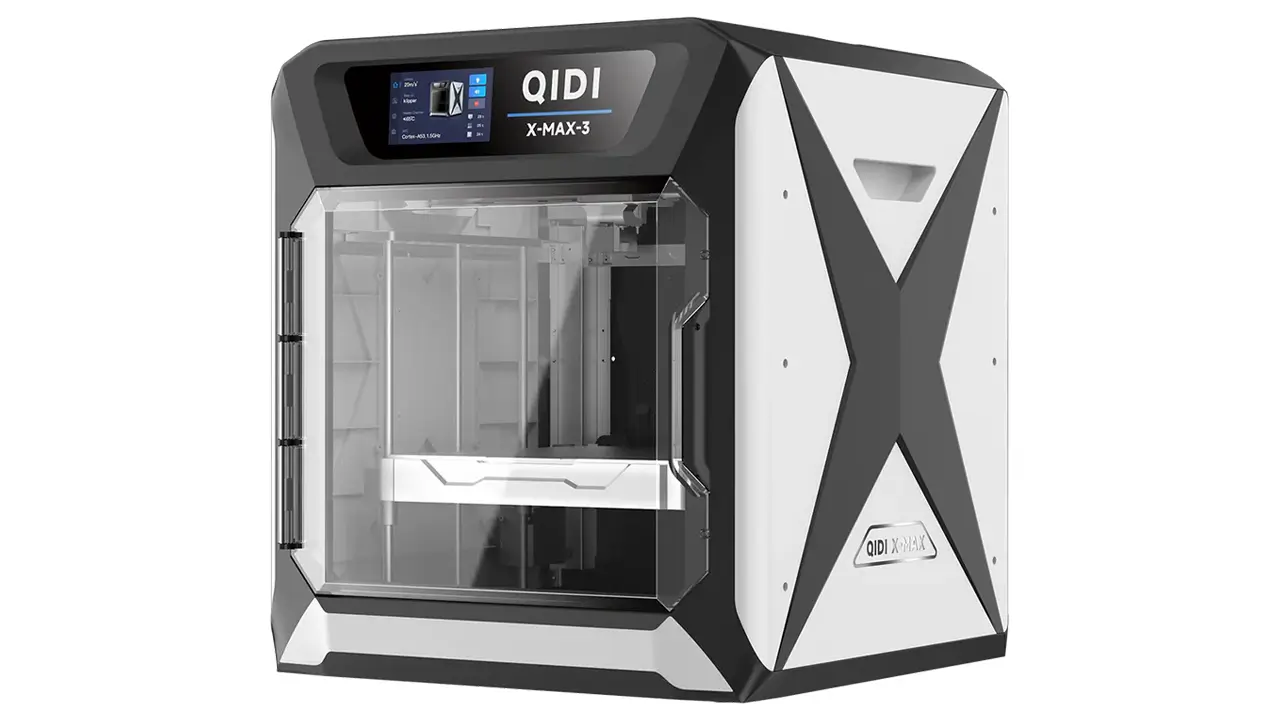
Engineering Printers
Professional-grade printers for engineering materials. Enclosed chambers, high-temperature hotends, and industrial reliability for demanding applications.


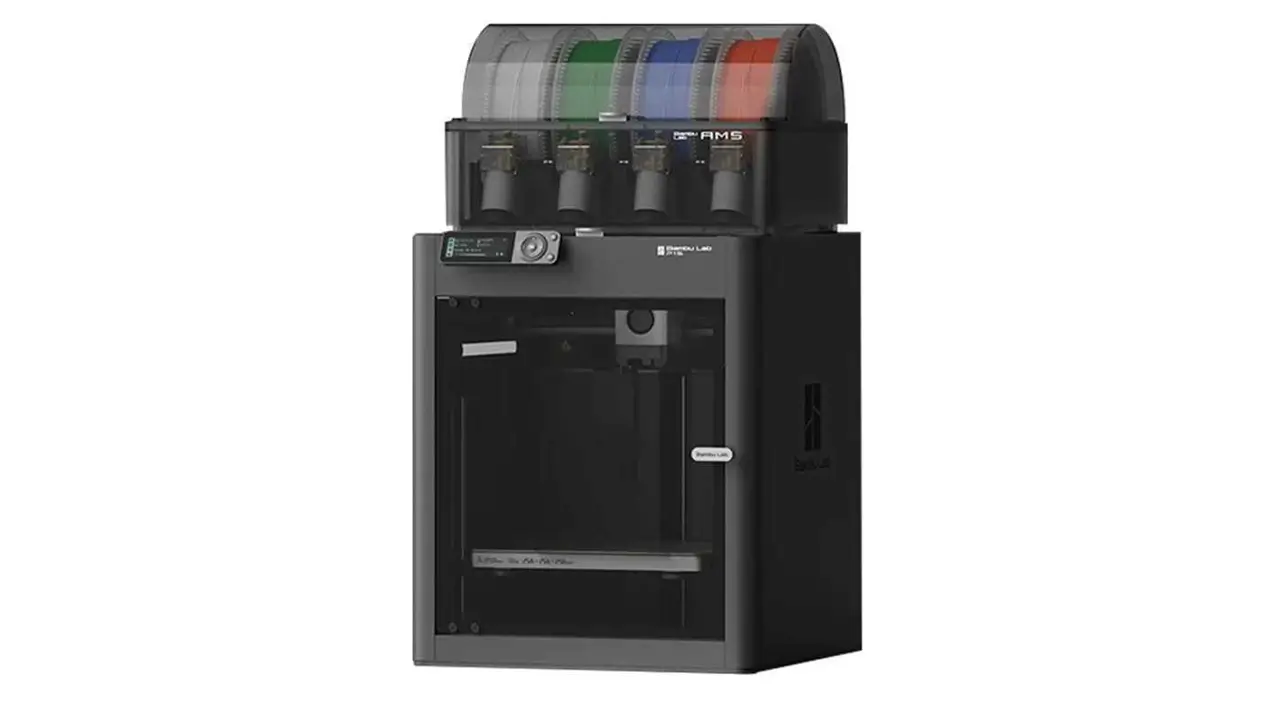
Bambu Lab P1S Review – 500mm/s AMS 3D Printer
Bambu Lab P1S Review – 500mm/s AMS 3D Printer 1. Introduction If you have been searching for a bambu lab […]

Flashforge Creator 5 Review: Industrial 3D Printer
Flashforge Creator 5 Review: Industrial 3D Printer When it comes to professional-grade 3D printing, finding a machine that balances industrial […]

Creality Ender 3 V3 SE Review – Specs, Features & V3 Plus Comparison
Creality Ender 3 V3 SE Review – Specs, Features & V3 Plus Comparison What is the Creality Ender 3 V3 […]

Bambu Lab X1 Carbon / P1S Combo Review: AMS System & 500mm/s Speed Dominance
Bambu Lab X1 Carbon / P1S Combo Review: AMS System & 500mm/s Speed Dominance If you’ve been following the 3D […]

Qidi Q2 Combo Review – Killer 3D Printer vs Bambu Lab in 2026
Qidi Q2 Combo Review – Killer 3D Printer vs Bambu Lab in 2026 1. Introduction: Why Qidi Q2 Combo Is […]
Why Chinese 3D Printers Lead the World
When searching for the best Chinese 3D printers in 2026, you’re tapping into a market that has fundamentally transformed the 3D printing landscape. Over the past decade, Chinese 3D printer brands have evolved from budget alternatives to industry leaders, driving innovation in speed, precision, and affordability. Brands like Bambu Lab, Creality, Anycubic, Elegoo, and FlashForge have not only democratized 3D printing technology but have also pushed boundaries that even established Western manufacturers struggle to match.
The dominance of Chinese manufacturers isn’t accidental. These companies have invested heavily in research and development, listened closely to community feedback, and maintained competitive pricing without sacrificing quality. Whether you’re a hobbyist printing miniatures in your garage, a professional prototyping products, or an educator teaching students about additive manufacturing, Chinese 3D printers offer compelling options across every price point and use case.
What makes 2026 particularly exciting is the maturity of these technologies. Multi-color printing systems, automated bed leveling, advanced slicing software, and faster print speeds are now standard features rather than premium add-ons. The question is no longer whether Chinese 3D printers can compete—it’s which one best fits your specific needs.

What to Look For: Key Parameters When Choosing a 3D Printer
Before diving into specific brands and models, understanding the fundamental specifications will help you make an informed decision. The best Chinese 3D printers vary significantly in their capabilities, and what works for one application might be completely wrong for another.
Build Volume determines the maximum size of objects you can print in a single piece. Entry-level printers typically offer 220x220x250mm, while larger models can exceed 300x300x400mm. Consider not just your current projects but potential future needs—upgrading later means buying an entirely new machine.
Print Speed has seen dramatic improvements, particularly with brands like Bambu Lab pushing speeds beyond 500mm/s for certain materials. However, speed must be balanced with quality. A printer that can move fast but produces poor surface finish at those speeds isn’t actually saving time.
Material Compatibility ranges from basic PLA to engineering-grade materials like nylon, polycarbonate, and carbon fiber composites. If you’re only printing decorative items, PLA capability suffices. For functional parts that need strength or heat resistance, you’ll need an all-metal hotend and heated chamber.
Print Technology falls into two main categories: FDM (Fused Deposition Modeling) printers that extrude melted filament, and resin printers that cure liquid photopolymer with UV light. FDM printers are more versatile and economical for larger objects, while resin printers excel at fine details and smooth surfaces.
Connectivity and Control options have expanded beyond simple USB connections. Modern printers offer WiFi, cloud printing, built-in cameras for remote monitoring, and sophisticated touchscreen interfaces. These features significantly improve the user experience, especially when running long prints.
Community Support and Ecosystem shouldn’t be overlooked. Brands with active user communities provide better troubleshooting resources, modification ideas, and third-party upgrade options. This support network can be invaluable, particularly for newcomers to 3D printing.

Bambu Lab: Innovation and Performance Redefined
When discussing Bambu Lab 3D printers review, it’s impossible not to acknowledge how this relatively young company has disrupted the entire industry. Founded by former DJI engineers, Bambu Lab launched in 2022 and immediately set new standards for speed, reliability, and user experience. By 2026, they’ve solidified their position as the premium choice among Chinese 3D printer brands.
The Bambu Lab X1 Carbon represents their flagship offering, combining CoreXY kinematics with active chamber heating, multi-material printing via the AMS (Automatic Material System), and a sophisticated AI-powered first-layer inspection system. Print speeds of 500mm/s with acceleration up to 20,000mm/s² aren’t just marketing numbers—users consistently report these speeds while maintaining excellent print quality.
What truly distinguishes Bambu Lab is their integrated ecosystem. The Bambu Studio slicer software is intuitive yet powerful, offering features like automatic support painting and seamless integration with their cloud services. The AMS system allows automatic switching between up to four different filaments, enabling multi-color prints or automatic material changes for supports.
The Bambu Lab P1 series targets users who want Bambu’s speed and reliability without the premium price tag. While it lacks the enclosed chamber and some advanced features, it still delivers impressive performance for PLA and PETG printing. The Bambu Lab A1 mini has become extremely popular for educators and hobbyists, offering a compact footprint without compromising on Bambu’s core technologies.
Real-world users praise Bambu Lab’s print quality consistency. The closed-loop motor systems, input shaping, and pressure advance calibration work together to minimize artifacts like ringing and stringing. For professionals who need reliable, repeatable results, Bambu Lab printers often become the default choice despite their higher price point.

Creality: Mass Appeal and Modification Culture
No discussion of the best Chinese 3D printers is complete without Creality, arguably the most recognized name in consumer 3D printing. When considering Creality 3D printers comparison, you’re looking at a brand that essentially created the affordable desktop 3D printer market and continues to evolve with increasingly sophisticated offerings.
The Creality Ender series remains iconic. The Ender 3, first released in 2018, sold millions of units and spawned countless variants. By 2026, the Ender-3 V3 series incorporates modern features like CoreXY motion systems, automatic bed leveling, and significantly improved print speeds while maintaining the budget-friendly price point that made the original famous. These printers are particularly beloved by the maker community because their open design encourages modifications and upgrades.
Creality’s K1 and K1 Max printers represent their answer to Bambu Lab’s speed-focused approach. These enclosed CoreXY machines can reach speeds of 600mm/s and include features like AI cameras, automatic bed leveling, and WiFi connectivity. While early K1 models faced quality control issues, ongoing firmware updates and hardware revisions have addressed many concerns. The K1 Max’s larger build volume (300x300x300mm) makes it particularly attractive for users printing larger functional parts.
The Creality CR series, including models like the CR-10 and CR-10 Smart, caters to users who need larger build volumes without breaking the bank. These Cartesian-style printers may not match the speed of CoreXY designs, but they offer proven reliability and enormous community support. Finding replacement parts, upgrade guides, and troubleshooting help for Creality printers is easier than for almost any other brand.
Creality’s strength lies in their massive ecosystem. Third-party manufacturers produce countless upgrades: direct drive extruders, linear rails, improved hot ends, and enclosure kits. This modularity means a basic Ender-3 can evolve into a highly customized machine tailored to specific needs. For hobbyists who enjoy tinkering and learning, Creality printers offer an educational journey alongside functional 3D printing.

Anycubic: Budget Solutions Without Compromise
Anycubic 3D printer features position this brand as the sweet spot between affordability and capability. Anycubic has built a reputation for delivering reliable printers at price points that undercut competitors while maintaining quality standards that satisfy hobbyists and semi-professional users alike.
The Anycubic Kobra series demonstrates their FDM printer philosophy. Models like the Kobra 2 Max offer generous build volumes (420x420x500mm) at prices that would have been unthinkable just a few years ago. The Kobra series incorporates practical features like automatic bed leveling with their LeviQ 2.0 system, flexible magnetic build plates, and direct drive extruders that handle flexible filaments better than many competitors.
Where Anycubic truly excels is in resin printing. Their Photon Mono series has become a benchmark for budget friendly Chinese 3D printers in the SLA/LCD category. The Photon Mono M5s, released in 2025, features a 10-inch 12K monochrome LCD screen, delivering exceptional detail for miniatures, jewelry, and dental applications. Print speeds have improved significantly, with full build plate prints completing in hours rather than days thanks to their improved resin formulation and faster UV light source.
The Anycubic Photon Ultra represents their foray into DLP (Digital Light Processing) technology, offering even faster layer curing times and superior edge definition compared to LCD-based resin printers. While pricier than their LCD models, it remains competitively positioned against Western DLP alternatives.
Anycubic’s attention to user experience extends to their software ecosystem. The Anycubic Slicer provides preset profiles for their printers and popular third-party filaments, reducing the learning curve for beginners. Their customer service, while sometimes criticized for response times, has improved considerably with expanded support teams and better documentation.
For users seeking the best 3D printer for home and hobby applications without spending premium prices, Anycubic consistently delivers value. Their printers might lack some cutting-edge features found in more expensive models, but they nail the fundamentals: consistent bed adhesion, reliable extrusion, and prints that match expectations.
Elegoo: Precision for Miniatures and SLA/LCD Printing
When evaluating Elegoo printer quality and speed, you’re looking at a brand that has become synonymous with resin printing excellence, particularly among hobbyists in miniature gaming, jewelry making, and detailed modeling. While Elegoo produces FDM printers, their reputation is built on their outstanding LCD resin printer lineup.
The Elegoo Saturn series has essentially defined what users expect from mid-sized resin printers. The Saturn 3 Ultra, featuring a 12K resolution screen and rapid printing speeds, produces miniatures with details so fine that layer lines are virtually invisible to the naked eye. The 28.5µm XY resolution means even the smallest text on miniature bases remains legible. For tabletop gaming enthusiasts printing armies of miniatures, the combination of speed (a full build plate can complete in 2-3 hours) and quality makes the Saturn series incredibly popular.
Elegoo’s Mars series targets users with smaller budgets or space constraints. Despite their compact size, these printers deliver impressive results. The Mars 4 Ultra includes features typically found in more expensive models: active carbon air filtration, a 9H hardness LCD screen protector for durability, and WiFi connectivity for wireless printing. The 7-inch 9K screen provides ample detail for most hobbyist applications.
Where Elegoo stands out is their focus on practical improvements that matter to users. Their printers include features like COB (Chip On Board) LED matrices for more uniform light distribution, resulting in better cure consistency across the build plate. The release mechanisms on their FEP films and build plates make removing prints and performing maintenance genuinely easier than on competing models.
The Elegoo Neptune FDM series shouldn’t be overlooked either. While not as renowned as their resin printers, models like the Neptune 4 Pro offer compelling value with Klipper firmware, fast printing speeds (up to 500mm/s), and input shaping for improved print quality. These printers often fly under the radar but deliver performance that rivals more expensive alternatives.
Elegoo’s resin formulations deserve mention too. Their ABS-Like and Standard resins have become popular choices beyond just Elegoo printer owners, offering good mechanical properties, reasonable odor levels, and reliable curing characteristics at competitive prices. The availability of their resins through multiple distribution channels makes them convenient for users worldwide.
FlashForge: Stability and Ease of Use
FlashForge 3D printer models have carved out a distinct niche focusing on reliability, enclosed designs, and user-friendly operation—qualities that make them particularly popular in educational institutions and professional environments where consistency matters more than bleeding-edge specifications.
The FlashForge Adventurer series exemplifies their design philosophy. These fully enclosed printers feature assisted bed leveling, heated build chambers, and tool-free nozzle changes. The Adventurer 5M, their 2025 flagship, includes automatic filament loading, a quick-swap nozzle system, and a sophisticated touchscreen interface that makes operation intuitive even for complete beginners. These features might seem mundane compared to the speed records other brands chase, but they result in printers that simply work without requiring constant tinkering.
FlashForge’s Creator series targets professional users and educational institutions needing Independent Dual Extruder (IDEX) technology. The Creator 4 can print two objects simultaneously or use one extruder for support material while the other prints the model, significantly reducing print times for complex geometries. The mirror and duplication modes are particularly valuable for small-scale production runs or classroom settings where multiple identical objects are needed.
The FlashForge Guider series serves users requiring larger build volumes and industrial-grade reliability. With heated chambers maintaining consistent temperatures up to 70°C, these printers handle engineering materials like nylon, polycarbonate, and even PEEK with minimal warping. The air filtration systems make them suitable for office environments where material fumes might otherwise be a concern.
What truly distinguishes FlashForge is their commitment to the educational market. Their printers come with comprehensive curriculum materials, safety features appropriate for younger users, and simplified interfaces that reduce the technical knowledge required. Many schools choose FlashForge specifically because their printers require less maintenance and troubleshooting than prosumer models, allowing teachers to focus on educational outcomes rather than mechanical repairs.
FlashForge’s proprietary FlashPrint slicer prioritizes ease of use over advanced features. While this approach might frustrate power users seeking granular control, it serves their target audience well. Preset profiles for common materials and printers produce reliable results without requiring users to understand concepts like retraction distance or linear advance.
Comparing Technologies: FDM vs Resin Printers
Understanding desktop 3D printer technology requires grasping the fundamental differences between printing methods, as this choice significantly impacts what you can produce, how quickly, and at what cost.
FDM (Fused Deposition Modeling) printers, sometimes called FFF (Fused Filament Fabrication), work by heating plastic filament until it melts, then extruding it through a nozzle to build objects layer by layer. This is the technology you’ll find in Bambu Lab, Creality, and most Anycubic FDM models. FDM’s strengths include material versatility (hundreds of filament types exist), relatively large build volumes, and economical operation—a kilogram of PLA filament costs $15-25 and produces substantial prints.
FDM excels at functional parts, prototypes, and larger objects where slight layer lines don’t matter. Print speeds have improved dramatically, with modern printers achieving speeds that would have seemed impossible five years ago. However, FDM inherently shows layer lines, and achieving very fine details (like intricate miniature faces or jewelry) challenges even the best-tuned FDM printers. Surface finish typically requires post-processing—sanding, smoothing, or coating—for presentation-quality results.
Resin (SLA/LCD/DLP) printers use ultraviolet light to cure liquid photopolymer resin layer by layer. LCD printers like those from Elegoo and Anycubic project UV patterns through an LCD screen onto the resin vat, while DLP uses digital projectors. These printers produce dramatically smoother surfaces with far higher resolution—you can print details measuring just tens of microns.
Resin printing dominates applications requiring fine detail: tabletop gaming miniatures, jewelry, dental models, and highly detailed prototypes. The smooth surface finish often requires minimal post-processing. However, resin printing involves more workflow steps: parts must be washed in isopropyl alcohol or specialized cleaning solutions, then cured under UV light. Resins are messier to work with, more expensive per volume than filament, and the materials can be allergenic, requiring proper ventilation and safety precautions.
| Feature | FDM Printers | Resin Printers |
|---|---|---|
| Surface Quality | Visible layer lines, requires post-processing for smooth finish | Very smooth, minimal layer lines, excellent out-of-box finish |
| Detail Resolution | Limited by nozzle size (typically 0.4mm), adequate for most uses | Exceptional detail (28-50µm XY resolution), ideal for miniatures |
| Build Volume | Generally larger (220-400mm typical), excellent for bigger objects | Smaller (130-250mm typical), though large-format models exist |
| Material Cost | $15-30 per kg for standard filaments, very economical | $30-80 per liter for resins, higher cost per volume |
| Material Variety | Extensive (PLA, PETG, ABS, TPU, nylon, composites, etc.) | Growing but limited (standard, tough, flexible, castable resins) |
| Print Speed | Varies greatly, modern printers 200-500mm/s, hours for complex prints | Speed depends on height, not complexity; 1-3 hours typical for full plate |
| Ease of Use | Relatively simple, minimal post-processing, safer materials | Requires washing, curing; messier materials; ventilation needed |
| Best Applications | Functional parts, prototypes, large objects, structural components | Miniatures, jewelry, dental models, highly detailed prototypes |
Choosing between these technologies depends entirely on your intended applications. Many serious hobbyists eventually own both: an FDM printer for functional parts and larger prints, and a resin printer for detailed models. The good news is that 2026 pricing makes owning multiple printers increasingly accessible.
Best 3D Printers for Home and Hobby in 2026
Identifying the best 3D printer for home and hobby use requires matching printer capabilities with typical user needs across different budget ranges. The following models represent standout choices based on reliability, community feedback, and overall value proposition.
Budget Category (Under $300):
The Anycubic Kobra 2 Neo delivers remarkable value with automatic bed leveling, decent print speeds (250mm/s), and a respectable build volume. It’s perfect for newcomers who want to experiment without major investment. The Elegoo Neptune 3 Pro offers similar capabilities with Klipper firmware for users comfortable with slightly more technical setup.
For resin printing on a budget, the Elegoo Mars 4 9K provides exceptional detail for miniature enthusiasts. The compact footprint fits most home spaces, and the 9K resolution screen handles fine details beautifully. At under $250, it’s an entry point into resin printing that doesn’t feel compromised.
Mid-Range Category ($300-$800):
The Bambu Lab A1 has quickly become the default recommendation for users wanting reliability without extreme costs. The AMS Lite system enables multi-color printing, speeds reach 500mm/s, and the enclosed design handles a wider range of materials. Setup is genuinely simple, making it ideal for users who want to print rather than tinker.
The Creality K1 offers comparable speed and enclosure at a slightly lower price point, though it requires more user involvement in calibration and maintenance. For those comfortable with troubleshooting, it represents excellent value.
The Anycubic Photon Mono M5s dominates the resin category here, with its enormous 12K screen producing multiple miniatures simultaneously with stunning detail. It’s the printer that miniature painters and jewelry makers consistently recommend.
Premium Category ($800-$2000):
The Bambu Lab X1 Carbon remains the benchmark for users wanting the absolute best in speed, reliability, and features. The full AMS system, chamber heating, and AI monitoring justify the premium price for professionals and serious enthusiasts. Print quality and speed combination is currently unmatched.
The Creality K1 Max offers similar performance with a larger build volume (300x300x300mm) at a lower price. It’s the choice for users needing to print larger functional parts quickly without compromising quality.
The Elegoo Saturn 3 Ultra represents the premium resin option, with its massive 12K screen, rapid print speeds, and build volume suitable for printing multiple complex miniatures or larger models like busts and terrain pieces.
Specialized Options:
For educational environments, the FlashForge Adventurer 5M provides the reliability and safety features schools need, with enclosed operation, HEPA filtration, and an interface designed for supervised student use.
For users specifically printing flexible materials or requiring dual-color prints without an AMS system, the Anycubic Kobra 2 Max with its direct drive extruder and large build volume offers unique capabilities at a budget-friendly price.
| Model | Type | Build Volume | Key Feature | Price Range | Best For |
|---|---|---|---|---|---|
| Anycubic Kobra 2 Neo | FDM | 250×220×220mm | Auto-leveling, 250mm/s | ~$250 | Budget beginners |
| Elegoo Mars 4 9K | Resin | 153×77×165mm | 9K screen, fine details | ~$240 | Miniature hobbyists |
| Bambu Lab A1 | FDM | 256×256×256mm | AMS Lite, 500mm/s, enclosed | ~$450 | Reliability seekers |
| Creality K1 | FDM | 220×220×250mm | CoreXY, 600mm/s, enclosed | ~$400 | Speed enthusiasts |
| Anycubic Photon M5s | Resin | 298×164×165mm | 12K screen, large format | ~$600 | Batch miniature printing |
| Bambu Lab X1 Carbon | FDM | 256×256×256mm | Full AMS, chamber heating, AI | ~$1,200 | Professionals, multi-color |
| Creality K1 Max | FDM | 300×300×300mm | Large volume, 600mm/s | ~$780 | Large functional parts |
| Elegoo Saturn 3 Ultra | Resin | 218×123×260mm | 12K, fast printing, large resin | ~$500 | Serious miniature/detail work |
| FlashForge Adventurer 5M | FDM | 220×220×220mm | Enclosed, auto-leveling, easy use | ~$550 | Education, offices |
| Anycubic Kobra 2 Max | FDM | 420×420×500mm | Massive build, direct drive | ~$550 | Large projects, cosplay |
These recommendations represent proven performers with strong community support and readily available replacement parts or upgrades. The budget friendly Chinese 3D printers landscape in 2026 offers options that would have been considered professional-grade just five years ago.
Practical Considerations Beyond Specifications
When selecting among the best Chinese 3D printers, specifications only tell part of the story. Real-world experience involves factors that spec sheets don’t capture but significantly impact long-term satisfaction.
Community Support and Resources: The availability of troubleshooting guides, upgrade paths, and user experiences matters tremendously. Creality and Bambu Lab enjoy massive communities where virtually any problem has been encountered and solved by someone before. Searching “Bambu Lab first layer issues” or “Creality Ender bed leveling” yields hundreds of detailed guides, video tutorials, and forum discussions. Smaller brands or newer models may lack this depth of collective knowledge.
Spare Parts Availability: 3D printers require maintenance. Nozzles wear out, belts need tensioning, fans eventually fail. Brands with established distribution networks make sourcing replacement parts straightforward. Anycubic, Creality, and FlashForge have parts widely available through Amazon, AliExpress, and dedicated 3D printing retailers. Bambu Lab, despite being newer, has established efficient replacement part ordering directly through their website.
Firmware Updates and Software Support: The best Chinese 3D printers receive regular firmware updates addressing bugs, improving performance, and sometimes adding features. Bambu Lab excels here, pushing frequent updates that genuinely improve the printing experience. Creality has improved their firmware support considerably, though some older models receive less attention. Check manufacturer websites for update history before purchasing—active development suggests ongoing support.
Material Compatibility and Licensing: Some manufacturers lock their printers to proprietary materials or chips in filament spools. While this ensures quality control, it limits flexibility and potentially increases costs. Most Chinese brands avoid this approach, but it’s worth verifying. Bambu Lab printers accept any filament but perform optimally with their RFID-tagged spools that automatically load print settings.
Noise Levels: This factor often surprises new users. FDM printers generate noise from stepper motors and cooling fans. Models with linear rails tend to be quieter than those with V-wheels on aluminum extrusions. Resin printers are generally quieter during printing but their UV light sources and fans still produce ambient noise. If your printer will operate in living spaces, consider models specifically designed for quiet operation or plan for an enclosure.
Power Requirements and Consumption: Most desktop 3D printer technology operates on standard household power, but heated beds and chamber heaters can draw significant wattage. A Bambu Lab X1 Carbon with chamber heating can draw 700+ watts during heat-up. Ensure your electrical circuit can handle the load, especially if running multiple printers or other equipment simultaneously.
Space Requirements: Beyond the printer’s footprint, consider space for materials storage, post-processing, and the inevitable collection of printed objects awaiting their fate. Resin printers particularly need dedicated space for washing and curing stations, and proper ventilation away from living areas due to resin fumes.
Maintenance and Long-Term Ownership
Owning the best Chinese 3D printers involves ongoing maintenance that varies significantly between models and technologies. Understanding these requirements helps set realistic expectations.
FDM Printer Maintenance: Regular tasks include cleaning the nozzle, tightening belts, lubricating linear rails or rods, and ensuring bed adhesion surfaces remain effective. Nozzles should be replaced every few months or after printing abrasive materials like carbon fiber composites. Bed surfaces wear differently: PEI sheets last longer but eventually need replacement, while glass beds might only need cleaning. Most users spend 10-20 minutes monthly on preventive maintenance, with occasional deeper maintenance sessions.
Resin Printer Maintenance: Resin printing demands more frequent attention. The FEP film in the resin vat requires inspection after each print and replacement every few weeks to months depending on usage. Cured resin must be filtered or replaced to prevent contamination affecting print quality. The LCD screen, while protected, has a finite lifespan measured in hundreds of hours. Proper cleaning protocols for resin spills and contamination are essential for safety and longevity.
Upgrades and Modifications: The modularity of Chinese 3D printer brands enables upgrades that extend printer lifespans. Popular upgrades include all-metal hotends for high-temperature materials, direct drive extruders for flexible filaments, linear rails for smoother motion, and improved cooling solutions. Creality printers especially benefit from community-developed upgrades that can transform a basic model into a high-performer.
Environmental and Safety Considerations
Responsible use of the best Chinese 3D printers includes understanding environmental impacts and safety requirements.
Material Safety: PLA is generally safe and biodegradable, producing minimal fumes when printed at correct temperatures. ABS, ASA, and nylon release potentially harmful volatile organic compounds (VOCs) requiring ventilation. Resin printers demand careful handling—uncured resin is a skin sensitizer requiring gloves, and the isopropyl alcohol used for cleaning is flammable. Always print ABS and resin materials in well-ventilated spaces or with proper filtration.
Energy Consumption: 3D printing isn’t particularly energy-intensive compared to other manufacturing methods, but long prints accumulate power consumption. A typical 24-hour print might consume 5-10 kWh depending on the printer and materials. Models with heated chambers use significantly more power. Consider this when planning large production runs.
Waste Management: Failed prints, support structures, and rafts generate plastic waste. While PLA can technically be composted under industrial conditions, home composting rarely achieves necessary temperatures. Some communities offer filament recycling programs, and services exist to recycle failed prints into new filament. Resin waste requires proper disposal—never pour uncured resin down drains or into regular trash.
The Future of Chinese 3D Printing Innovation
Looking at trends among Chinese 3D printer brands, several directions are emerging that will shape offerings beyond 2026.
Multi-Material Integration: Systems like Bambu Lab’s AMS are becoming more sophisticated, with future versions expected to handle more materials simultaneously and switch faster between them. Automatic purge optimization and waste reduction represent active development areas.
AI-Assisted Printing: Bambu Lab’s first-layer inspection represents just the beginning. Future printers will likely incorporate more AI features: automatic failure detection and recovery, adaptive slicing that adjusts settings mid-print based on real-time observation, and predictive maintenance that alerts users before components fail.
Material Science Advancement: Chinese manufacturers are investing heavily in developing new filament and resin formulations. Engineering-grade materials with better mechanical properties at lower costs, biodegradable alternatives to conventional plastics, and materials with unique properties (conductive, magnetic, color-changing) are becoming more accessible.
Hybrid Technologies: Some manufacturers are experimenting with printers that combine FDM and laser engraving, or FDM with pick-and-place for embedding electronics. While still niche in 2026, these technologies may become mainstream as they mature.
Conclusion: What to Choose in 2026
Selecting among the best Chinese 3D printers in 2026 ultimately depends on matching your specific needs, budget, and technical comfort level with the right machine.
For beginners seeking their first printer without overwhelming complexity, the Bambu Lab A1 or Anycubic Kobra 2 Neo provide reliable experiences with minimal troubleshooting. These printers let newcomers focus on designing and printing rather than mechanical adjustments. If interested in miniatures and fine details, the Elegoo Mars 4 offers an affordable introduction to resin printing.
Hobbyists and enthusiasts ready to invest in quality should seriously consider the Bambu Lab X1 Carbon for FDM or the Elegoo Saturn 3 Ultra for resin work. These printers deliver professional results and features that won’t feel limiting as skills develop. The Creality K1 Max presents a compelling alternative for users comfortable with more hands-on involvement and wanting larger build volumes.
Professional users and small businesses need reliability and repeatability above all else. The Bambu Lab X1 Carbon justifies its premium price through consistent output quality and minimal downtime. For production environments requiring larger prints, the Creality K1 Max or Anycubic Kobra 2 Max offer excellent value. Resin printing for commercial applications—jewelry, dentistry, miniature production—benefits from the Elegoo Saturn 3 Ultra or Anycubic Photon Mono M5s depending on batch size needs.
Educators should prioritize the FlashForge Adventurer 5M for its safety features, reliability, and student-friendly interface. The enclosed design and assisted operations reduce supervision requirements while still delivering quality results for classroom projects.
Budget-conscious makers shouldn’t feel limited by price constraints. The Anycubic Kobra 2 Neo and Creality Ender-3 V3 series provide genuine 3D printing capabilities at prices that were unthinkable just years ago. These printers might require more learning and occasional troubleshooting, but they produce real, functional parts and offer valuable education in how 3D printers work.
The landscape of budget friendly Chinese 3D printers has never been better. Quality, features, and reliability that once required premium prices are now accessible across most price points. Whether you’re printing functional parts for projects, creating miniatures for gaming, prototyping product designs, or simply exploring additive manufacturing as a hobby, Chinese manufacturers offer compelling options that compete favorably with brands from any country.
The key is honest assessment of your needs, realistic expectations about maintenance and learning curves, and choosing brands with proven track records and active communities. The printers discussed here—from Bambu Lab’s cutting-edge technology to Creality’s massive ecosystem, Anycubic’s value propositions, Elegoo’s detail mastery, and FlashForge’s reliability focus—represent the best that Chinese 3D printing offers in 2026. Your perfect printer exists within this diverse lineup; it’s simply a matter of matching capabilities to your specific creative and functional goals.
best Chinese 3D printersbest Chinese 3D printersbest Chinese 3D printersbest Chinese 3D printersbest Chinese 3D printersbest Chinese 3D printersbest Chinese 3D printersbest Chinese 3D printersbest Chinese 3D printersbest Chinese 3D printersbest Chinese 3D printersbest Chinese 3D printersbest Chinese 3D printersbest Chinese 3D printersbest Chinese 3D printersbest Chinese 3D printersbest Chinese 3D printersbest Chinese 3D printers
best Chinese 3D printersbest Chinese 3D printersbest Chinese 3D printersbest Chinese 3D printersbest Chinese 3D printersbest Chinese 3D printersbest Chinese 3D printersbest Chinese 3D printersbest Chinese 3D printersbest Chinese 3D printersbest Chinese 3D printersbest Chinese 3D printersbest Chinese 3D printersbest Chinese 3D printersbest Chinese 3D printersbest Chinese 3D printersbest Chinese 3D printersbest Chinese 3D printersbest Chinese 3D printersbest Chinese 3D printers
