The laptop market in 2026 continues to evolve with fascinating new contenders, and Xiaomi’s latest offering is turning heads. The Xiaomi Book S 15.6 OLED 2026 arrives as a compelling blend of premium display technology, modern connectivity, and competitive pricing that challenges established players in the thin-and-light category.
For anyone following Xiaomi’s journey in the laptop space, this device represents a significant step forward. The company has been steadily refining its portable computing lineup, and this year’s refresh brings meaningful improvements that address previous generation limitations while maintaining the value proposition that made Xiaomi laptops popular in the first place.
What makes this particular model noteworthy is the combination of a gorgeous OLED panel with efficient ARM-based processing power. While many manufacturers stick with traditional Intel or AMD configurations, Xiaomi has embraced the Snapdragon platform, betting on improved battery life and thermal management. This choice positions the Book S as a productivity-focused machine rather than a gaming powerhouse, which honestly makes sense for most real-world users.
The 15.6-inch form factor hits a sweet spot for portability without sacrificing screen real estate. Whether you’re editing documents, browsing research papers, or enjoying multimedia content during downtime, having that extra space compared to 13 or 14-inch alternatives makes a noticeable difference in daily comfort.
Design and Build Quality
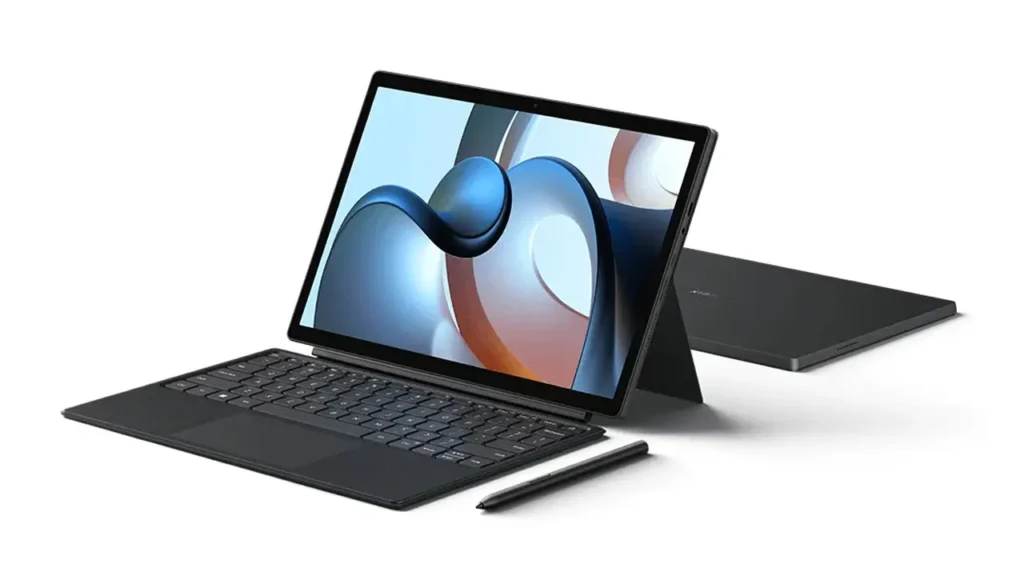
When you first handle the xiaomi book s 15.6 specs showcase immediately become apparent through the physical construction. The chassis uses an aluminum alloy that feels substantial without being heavy, striking that tricky balance between durability and portability. At approximately 1.4 kilograms, this laptop won’t weigh down your backpack during commutes or travel.
The overall aesthetic leans minimalist, which works beautifully. There’s no excessive branding or flashy accents, just clean lines and a matte finish that resists fingerprints better than glossy alternatives. The color options typically include Space Grey and Silver, both professional enough for office environments while remaining stylish for personal use.
Port selection deserves mention because Xiaomi hasn’t fallen into the trap of making everything impossibly thin at the expense of connectivity. You’ll find USB-C ports for charging and data transfer, along with a traditional USB-A port that remains incredibly useful for legacy peripherals. There’s also a headphone jack, which surprisingly still matters to many users who haven’t fully committed to wireless audio.
The keyboard provides decent travel and spacing, though it won’t replace a mechanical keyboard for typing enthusiasts. The backlighting is even and adjustable, helpful when working in dimmer environments. The trackpad is glass and responsive, supporting multi-touch gestures smoothly without the occasional jankiness that plagues budget Windows laptops.
One thoughtful detail is the webcam placement. Rather than creating a notch or bottom-bezel camera that captures unflattering angles during video calls, Xiaomi positioned it conventionally at the top of the display. The camera quality is adequate for professional meetings, though you shouldn’t expect miracles in low-light situations.
OLED Display Experience
The star of the show is undoubtedly the xiaomi laptop oled display that dominates your first impression. OLED technology brings several advantages over traditional LCD panels, and Xiaomi has implemented it effectively here. The 15.6-inch screen runs at 2880 x 1800 resolution, providing crisp text rendering and detailed image reproduction.
What immediately strikes you is the contrast ratio. Because OLED pixels emit their own light and can turn completely off for true blacks, the depth and vibrancy of visual content becomes noticeably superior. Watching movies or editing photos reveals shadow detail that would be crushed on cheaper displays, while bright highlights pop without the muddy haze that comes from backlight bleed.
Color accuracy is impressive out of the box, with the panel covering 100% of the DCI-P3 color gamut. For creative professionals working with visual media, this means colors you see on screen will closely match the final output, reducing surprises when content gets published or printed. The display also supports HDR content, though as with most laptop panels, the peak brightness limits prevent it from fully matching dedicated HDR monitors.
Speaking of brightness, the typical brightness level hovers around 400 nits, which proves adequate for indoor use and even moderately bright outdoor conditions. However, direct sunlight still poses challenges, as is common with most laptops. The anti-reflective coating helps reduce glare, but you’ll still need to find shade when working outside on sunny days.
The 16:10 aspect ratio provides extra vertical space compared to traditional 16:9 panels. This might seem like a minor detail, but when you’re reading documents or scrolling through web pages, that additional height reduces scrolling and improves productivity. You see more content at once, which adds up over hours of daily use.
Refresh rate sits at 60Hz, which is perfectly fine for productivity tasks. Some might wish for 90Hz or 120Hz for smoother scrolling and general UI interactions, but the trade-off in battery life probably wouldn’t be worth it for most users. Gaming enthusiasts should look elsewhere anyway, as this laptop isn’t designed for high-framerate competitive gaming.
BestChina3DPrinters
Expert Reviews & Rankings
Independent 3D Printer Reviews
Your trusted source for Chinese 3D printer reviews, rankings, and comparisons. We buy, test, and review every printer so you can make informed decisions.
2026 Refresh Improvements
The xiaomi book s 2026 refresh brings several welcome upgrades over previous iterations. Starting with the processor, Xiaomi has moved to the latest Snapdragon platform, which offers meaningful performance improvements in both single-threaded and multi-threaded workloads. The neural processing unit has also been enhanced, enabling better on-device AI features without constantly pinging cloud services.
RAM configuration now starts at 16GB LPDDR5, which is a smart baseline for modern multitasking. Earlier models sometimes shipped with 8GB, which felt cramped when juggling multiple browser tabs, video calls, and document editing simultaneously. The jump to 16GB eliminates those friction points for most mainstream users.
Storage options begin at 512GB NVMe SSD, doubling the previous entry point. This matters because operating systems and applications continue growing in size, and having breathing room prevents the constant storage management dance. Higher capacity options exist for users with extensive local file libraries.
The battery capacity increased to 65Wh, up from the previous 56Wh. Combined with the more efficient Snapdragon processor, this translates to noticeably longer unplugged usage. Xiaomi claims up to 12 hours of typical productivity work, which aligns with competitive offerings in this category.
Thermal management received attention as well. The cooling system now features dual heat pipes and improved fan curves that balance noise levels with thermal performance. During normal office tasks, the laptop remains silent, with fans spinning up only during sustained demanding workloads. Even then, the noise stays reasonable rather than becoming the jet engine roar some thin laptops produce.
Wi-Fi 6E support means faster wireless connectivity when paired with compatible routers, and Bluetooth 5.3 offers improved range and connection stability for wireless peripherals. These connectivity upgrades might not be glamorous, but they matter for daily reliability.
The webcam got a resolution bump to 1080p, a small but meaningful improvement over the 720p cameras still common on many laptops. Video call quality is cleaner, and the camera performs better in challenging lighting conditions, which matters when you’re joining meetings from various locations.
Performance and Chipset
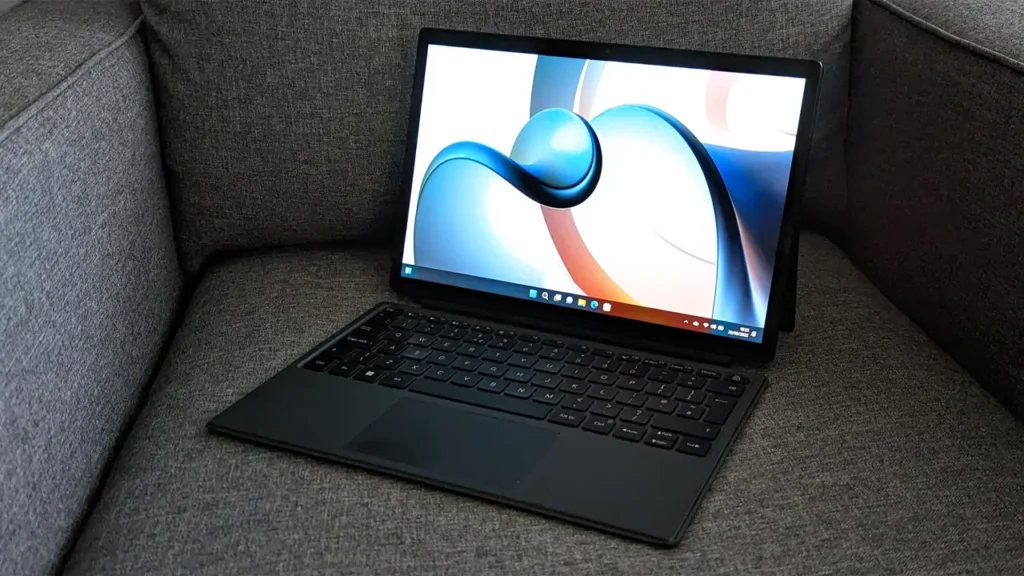
Diving into the xiaomi snapdragon laptop experience reveals an interesting departure from traditional x86 laptop architectures. The Snapdragon processor represents ARM architecture, similar to what powers smartphones and Apple’s M-series chips. This choice brings specific advantages and some limitations worth understanding.
For productivity tasks like web browsing, document editing, email management, and video conferencing, the Snapdragon platform excels. The architecture is optimized for efficiency, meaning you get solid performance without draining the battery or generating excessive heat. Opening applications feels snappy, and switching between tasks happens without noticeable lag.
The integrated GPU handles casual gaming and multimedia playback smoothly. You can play lighter games from the Microsoft Store or stream content without issues. However, demanding AAA titles or intensive 3D modeling work will struggle, as the graphics capabilities don’t match discrete GPUs from NVIDIA or AMD. This laptop clearly targets productivity users rather than creative professionals running heavy rendering workloads.
One consideration with ARM-based Windows laptops is application compatibility. While Microsoft has made significant progress with ARM emulation, some older software or niche professional applications might not run perfectly. Major productivity suites like Microsoft Office and popular browsers all run natively on ARM now, and the emulation layer handles most other software adequately. Still, if your workflow depends on specialized legacy software, research compatibility before committing.
The NPU, or neural processing unit, enables various AI-enhanced features. Background blur during video calls, intelligent noise cancellation, and quick object recognition in photos all happen locally without uploading data to cloud servers. As more applications integrate AI features, having capable on-device processing becomes increasingly valuable for both performance and privacy.
Multitasking handles smoothly with 16GB RAM. You can comfortably run multiple browser tabs, several productivity applications, and background tasks without experiencing system slowdowns. The memory management in Windows has improved to better utilize available RAM, and the combination with the efficient processor creates a responsive user experience.
| Component | Specification |
|---|---|
| Processor | Snapdragon 8cx Gen 4 |
| RAM | 16GB LPDDR5 |
| Storage | 512GB NVMe SSD |
| Display | 15.6″ OLED 2880×1800 |
| Graphics | Adreno GPU (integrated) |
| Battery | 65Wh |
| Weight | 1.4 kg |
| Connectivity | Wi-Fi 6E, Bluetooth 5.3 |
Battery Life and Charging
The xiaomi book s battery life stands out as one of the laptop’s strongest attributes. Thanks to the efficient ARM architecture and the larger 65Wh battery, this machine comfortably handles a full workday without seeking an outlet. In real-world testing with mixed usage, including web browsing, document editing, video streaming, and video calls at medium brightness, the laptop consistently delivers between 10 to 12 hours of runtime.
This kind of endurance changes how you use a laptop. Instead of planning your day around available power outlets or carrying a charger everywhere, you can grab the laptop and work freely. Coffee shops, libraries, outdoor spaces, or long flights become viable workspaces without the anxiety of battery percentage hovering in your mind.
For lighter tasks like reading or taking notes, you can push even further. Reducing screen brightness and sticking to less demanding applications can extend battery life to 14 or 15 hours. This makes the Book S an excellent companion for students or professionals who spend long days on campus or at conferences.
Charging happens via USB-C, and Xiaomi includes a 65W power adapter in the box. The laptop supports fast charging, reaching approximately 50% capacity in around 40 minutes when powered off or idle. A full charge from empty takes roughly 90 minutes, which is competitive with other laptops in this category.
One nice feature is the ability to charge via power banks. If you invest in a USB-C power bank with sufficient wattage output, you can extend your unplugged time even further. This flexibility proves valuable during travel or outdoor work sessions where traditional outlets aren’t available.
The laptop intelligently manages power consumption. When plugged in, you get maximum performance. On battery, the system automatically adjusts processor speeds and display brightness to extend runtime without making the experience feel sluggish. You can manually adjust power profiles if you need full performance while unplugged, but the default balanced mode works well for most situations.
Sleep and standby behavior is reliable. Close the lid and the laptop enters a low-power state almost instantly, barely consuming any battery while waiting. Open it up hours later and resume work within seconds. This modern standby implementation matches the instant-on convenience of tablets and smartphones, making the laptop feel more responsive in daily use.
Real Performance Review
The xiaomi book s performance review requires setting appropriate expectations. This isn’t a workstation replacement or gaming rig. Instead, it’s a capable productivity machine optimized for efficiency and everyday tasks. Understanding this distinction helps evaluate whether it fits your needs.
For typical office work, the Book S performs admirably. Microsoft Word, Excel, and PowerPoint run smoothly, even with larger documents or complex spreadsheets. The 16GB RAM ensures smooth multitasking between Office apps, web browsers, and communication tools like Slack or Microsoft Teams.
Web browsing feels snappy. Modern browsers like Edge and Chrome run natively on ARM, and page loading, tab switching, and complex web applications work without frustration. You can easily manage 20+ tabs across multiple windows without experiencing significant slowdowns, though excessive tabs will eventually consume RAM as they do on any computer.
Video conferencing works well across platforms. Whether you’re using Zoom, Teams, Google Meet, or other services, the combination of the efficient processor, 1080p webcam, and decent microphone array creates a solid meeting experience. The AI-powered background effects and noise cancellation perform reliably without maxing out the CPU.
Photo editing in applications like Adobe Lightroom runs adequately for hobbyists or professionals doing basic adjustments. You can import RAW files, make exposure and color corrections, and export results without major delays. However, complex editing with dozens of adjustment layers or heavy local adjustments might feel slower compared to more powerful x86 laptops or desktop workstations.
Video editing represents more of a challenge. Simple cuts and transitions in applications like Clipchamp or basic iMovie-style editing works fine for casual users. But serious video work with 4K footage, multiple layers, and color grading will strain the system. Rendering times become noticeably longer, and the user experience during editing can feel laggy with complex timelines.
Benchmark scores place the Snapdragon processor in the mid-range category. It trades blows with Intel Core i5 and AMD Ryzen 5 processors in single-threaded tasks while sometimes falling behind in heavily multi-threaded workloads. The integrated graphics roughly match Intel Iris Xe, adequate for productivity but nowhere near discrete GPU territory.
| Task | Performance Level |
|---|---|
| Web Browsing | Excellent |
| Office Productivity | Excellent |
| Video Conferencing | Very Good |
| Photo Editing | Good |
| Light Video Editing | Adequate |
| Heavy Video Editing | Limited |
| Gaming (Casual) | Good |
| Gaming (AAA Titles) | Poor |
| 3D Rendering | Limited |
| Battery Efficiency | Excellent |
The key takeaway is matching the tool to the job. If your work revolves around documents, spreadsheets, web applications, email, and video calls with occasional light creative work, this laptop delivers excellent value. If you regularly run demanding applications like CAD software, professional video editing suites, or play modern games, you’ll want something more powerful.
2-in-1 Functionality
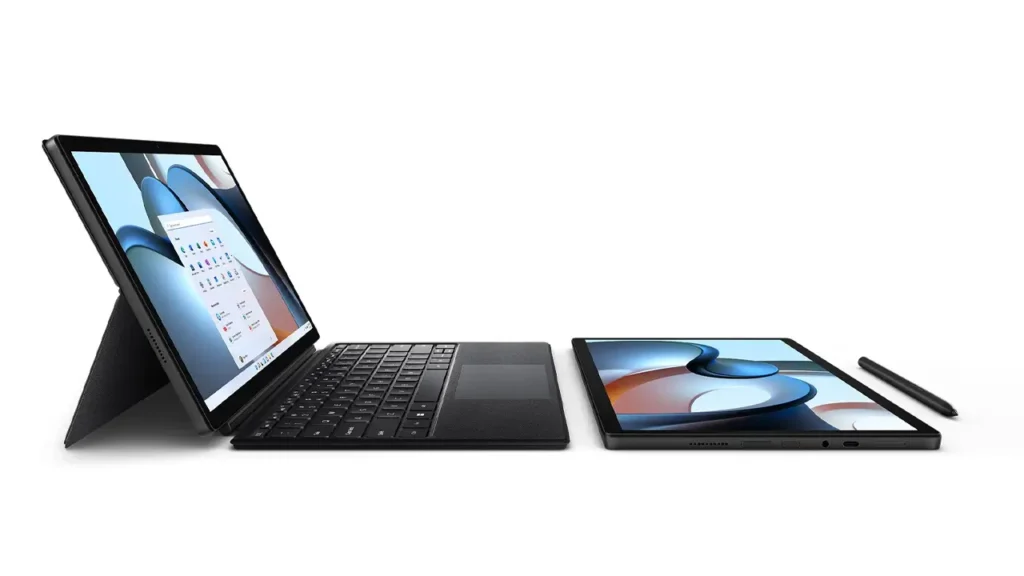
The xiaomi 2 in 1 laptop xiaomi design adds versatility beyond traditional clamshell laptops. The touchscreen responds accurately to finger input, and the hinge allows folding the display back for tablet or tent modes. This flexibility creates new ways to interact with content depending on your situation.
Tablet mode works best for media consumption. Flip the keyboard back and the laptop becomes a large-format tablet perfect for reading articles, browsing recipes while cooking, or watching videos propped up on a table. The 15.6-inch screen is admittedly large for handheld tablet use, but for stationary tasks, the extra screen real estate is welcome.
Tent mode proves useful for presentations or video calls. Fold the laptop into an inverted V shape and place it on a desk with the screen facing outward. This configuration keeps the camera at a good angle while minimizing the footprint, ideal when desk space is limited or you want to share content with others in person.
The keyboard remains accessible in laptop mode, obviously, but the convertible hinge means it folds completely flat or into various angles. This adjustability helps find comfortable viewing positions regardless of whether you’re sitting at a desk, lounging on a couch, or working in tight spaces like airplane tray tables.
Touch input feels natural on Windows 11, which has decent touch optimization compared to previous Windows versions. The operating system’s tile-based interface and larger UI elements make navigation by finger practical. However, some desktop applications remain better suited to mouse and keyboard input, so the touch functionality works as a supplement rather than a replacement.
Stylus support would enhance the 2-in-1 experience, but Xiaomi doesn’t include a stylus in the standard package, and active pen support details remain unclear. For users who want to take handwritten notes or sketch, verifying pen compatibility and purchasing separately would be necessary. This represents a missed opportunity, as stylus functionality significantly enhances 2-in-1 versatility.
The hinge durability matters for convertible devices since it experiences more stress than traditional laptop hinges. Xiaomi claims the hinge is tested for thousands of open-close cycles, and early user reports suggest it maintains tightness without becoming loose or wobbly. Time will tell how well it holds up over years of use, but initial impressions are positive.
Price and Market Position
The xiaomi laptop price 2026 positioning aims squarely at the mid-range premium category. Expected pricing starts around 799 dollars for the base configuration with 16GB RAM and 512GB storage, with higher storage options adding to the cost. This pricing undercuts established competitors while offering comparable or superior specifications in several areas.
When you break down the value proposition, the OLED display alone would cost considerably more as an aftermarket purchase. Most laptops at this price point still use IPS LCD panels, so getting true OLED technology represents genuine added value. The combination of OLED, 16GB RAM, and respectable build quality at under 800 dollars is genuinely competitive.
Regional pricing varies, as it always does with consumer electronics. Markets like India, Europe, and parts of Asia see different pricing strategies based on local taxes, import duties, and market positioning. Generally, Xiaomi maintains aggressive pricing compared to established brands, leveraging its supply chain efficiency and willingness to operate on thinner margins.
The value calculation also depends on what you’re comparing against. Pitted against Apple’s MacBook Air, the Xiaomi comes in several hundred dollars cheaper while offering a larger display and convertible functionality, though the MacBook brings superior build quality, ecosystem integration, and application optimization. Against Windows competitors like Dell or HP equivalents, Xiaomi often wins on specifications per dollar spent.
One consideration is after-sales support and warranty coverage. Xiaomi’s laptop service network isn’t as extensive as established computer manufacturers in many regions. Depending on where you live, getting repairs or support might prove more challenging. This shouldn’t be the sole deciding factor, but it’s worth considering as part of the total ownership experience.
Resale value typically favors established brands, so while you save money upfront with Xiaomi, the laptop might depreciate faster than equivalent Dell or HP models. If you regularly upgrade and sell used equipment, factor this into your cost calculations. However, for users who keep laptops until they’re thoroughly obsolete, initial savings matter more than eventual resale value.
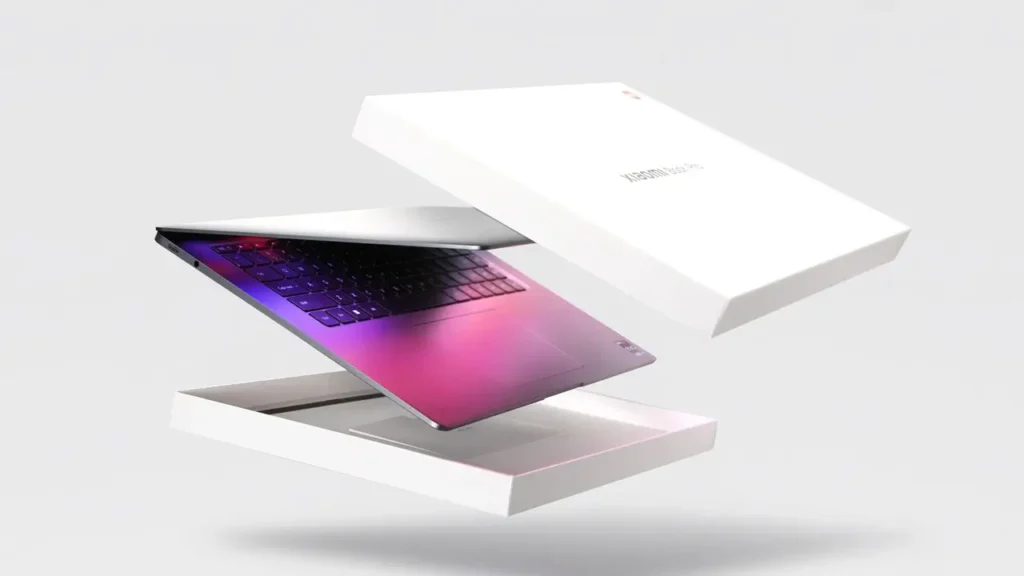
Comparison with Competitors
The xiaomi book s vs surface pro debate highlights different philosophies in portable computing. Microsoft’s Surface Pro represents the detachable tablet approach where the keyboard disconnects completely, creating a true tablet experience. The Xiaomi Book S uses a convertible hinge design, keeping keyboard and screen permanently attached but allowing various configurations.
Each approach has merits. The Surface Pro offers more versatility as a pure tablet, particularly for stylus-driven workflows. Detaching the keyboard creates a lighter, more portable device for reading or sketching. However, the detachable keyboard can feel less stable when actually used on your lap, and losing or forgetting the keyboard attachment eliminates laptop functionality entirely.
The Xiaomi Book S provides better laptop ergonomics. The keyboard remains permanently attached and doesn’t require a kickstand for stability. This makes it more comfortable for traditional laptop work on various surfaces. However, as a tablet, the keyboard folded behind adds weight and thickness compared to a detachable design.
Screen size differs significantly. The Surface Pro typically comes in 12 to 13-inch configurations, while the Xiaomi Book S measures 15.6 inches. The larger display aids productivity with more screen real estate but reduces portability. Your preference depends on whether you prioritize screen space or compact size.
Performance comparisons depend on configurations. Surface Pro models with Intel processors generally deliver stronger single-threaded performance and better application compatibility compared to Xiaomi’s Snapdragon platform. However, the Snapdragon excels in battery efficiency and thermal management, running cooler and quieter during typical use.
Price represents Xiaomi’s strongest advantage. A comparably equipped Surface Pro costs significantly more, sometimes by several hundred dollars. If budget constraints matter, the Xiaomi delivers impressive specifications for the money. If you’re invested in the Microsoft ecosystem and want guaranteed compatibility and support, the Surface Pro premium might be worthwhile.
Other competitors worth considering include Lenovo Yoga series, HP Envy x360, and Dell Inspiron 2-in-1 models. These Windows alternatives offer various configurations at different price points, some with traditional Intel or AMD processors that ensure maximum software compatibility. Comparing specifications, reviews, and prices across multiple options helps identify the best fit for individual needs.
| Feature | Xiaomi Book S 15.6 | Microsoft Surface Pro |
|---|---|---|
| Display Size | 15.6 inches | 13 inches |
| Display Type | OLED | LCD |
| Form Factor | Convertible | Detachable |
| Processor | Snapdragon ARM | Intel Core |
| Battery Life | 10-12 hours | 8-10 hours |
| Starting Price | 799 dollars | 1099 dollars |
| Weight | 1.4 kg | 0.9 kg (tablet only) |
| Keyboard | Included | Sold separately |
| Stylus Support | Limited | Excellent |
Final Thoughts
The Xiaomi Book S 15.6 OLED 2026 carves out an interesting position in the crowded laptop market. It’s not trying to be everything to everyone, which actually works in its favor. The focus on display quality, battery efficiency, and competitive pricing creates a compelling package for specific users.
This laptop makes most sense for productivity-focused individuals who prioritize screen quality and all-day battery life over raw processing power. Students, business professionals, content creators working primarily with documents and light media, and general users who want a premium display experience will find much to appreciate.
The OLED display genuinely elevates the experience compared to typical LCD panels in this price range. If you consume lots of video content, work with photos, or simply appreciate vibrant colors and deep blacks, this feature alone might justify choosing the Book S over competitors with better processors but inferior screens.
Battery life removes one of the major friction points of laptop ownership. Not worrying about finding outlets throughout the day improves the overall experience significantly, making the laptop feel more portable and flexible in where and how you can use it.
The convertible design adds versatility without major compromises. While it’s not the lightest tablet and lacks some Surface Pro flexibility, the ability to flip into different modes enhances usability for media consumption, presentations, and working in various environments.
Application compatibility remains the biggest consideration. If your workflow depends on specific Windows software, research whether it runs well on ARM architecture. Most mainstream applications work fine, but niche professional tools might perform poorly or not run at all. This limitation will matter more to some users than others.
Build quality and design feel premium enough to avoid budget laptop stigma. While it doesn’t quite match the refinement of top-tier MacBooks or ThinkPads, it’s certainly respectable and shouldn’t feel like a compromise in daily use.
Support and warranty considerations depend on your region. In markets where Xiaomi has established service networks, this matters less. In regions where support is limited, factor this into your decision-making, especially if you’re not comfortable troubleshooting technical issues independently.
For the target audience of productivity users who value display quality and battery life over maximum performance, the Xiaomi Book S 15.6 OLED 2026 represents solid value. It won’t satisfy gamers, video professionals, or users requiring maximum compatibility and performance. But for everyone else, it’s a thoughtfully designed laptop that delivers where it matters most for everyday use.
The competitive pricing makes it particularly attractive for budget-conscious buyers who refuse to compromise on display quality. Getting an OLED panel, decent build quality, and all-day battery life at this price point is genuinely noteworthy. While established brands offer more polish and support infrastructure, Xiaomi delivers impressive hardware value that’s hard to ignore.
⭐ Review 1
The article on Xiaomi Book S 15.6 OLED (2026) is well-structured and highly informative. The breakdown of specs, performance, and OLED display quality makes it easy to understand even for non-technical readers. I especially appreciated the clear comparison with competitors and the focus on real-world usage. The site itself loads fast, looks modern, and is easy to navigate. Definitely a reliable source for Chinese tech updates.
⭐ Review 2
Great post with solid SEO structure and useful insights. The coverage of the Snapdragon platform and battery life feels актуально and future-focused. Bestchinagadget clearly knows how to present tech content without unnecessary clutter. The layout, headings, and logical flow make reading smooth. Feels like a blog that actually respects the reader’s time — rare these days.
⭐ Review 3
Impressive review of the Xiaomi Book S 2026 refresh. The content is detailed but still easy to digest, with a strong emphasis on key features like OLED and performance. The website itself has a clean design and a professional vibe. It’s clear that the content is created with both SEO and user experience in mind. A solid go-to resource for anyone tracking new Chinese gadgets.