If you’ve been searching for a rugged smartphone waterproof enough to survive construction sites, hiking trails, mountain streams, or just the everyday chaos of a demanding job, you’ve likely come across two names that keep coming up: the Blackview BV9900E and the Ulefone Power Armor series. These two brands have carved out a very loyal niche among outdoor enthusiasts, field workers, and anyone who simply can’t afford to baby their phone. In this deep-dive review, we’re going to walk you through everything you need to know — design, durability, performance, battery life, and how they stack up against each other — so you can make a smart, informed decision. Let’s get into it.
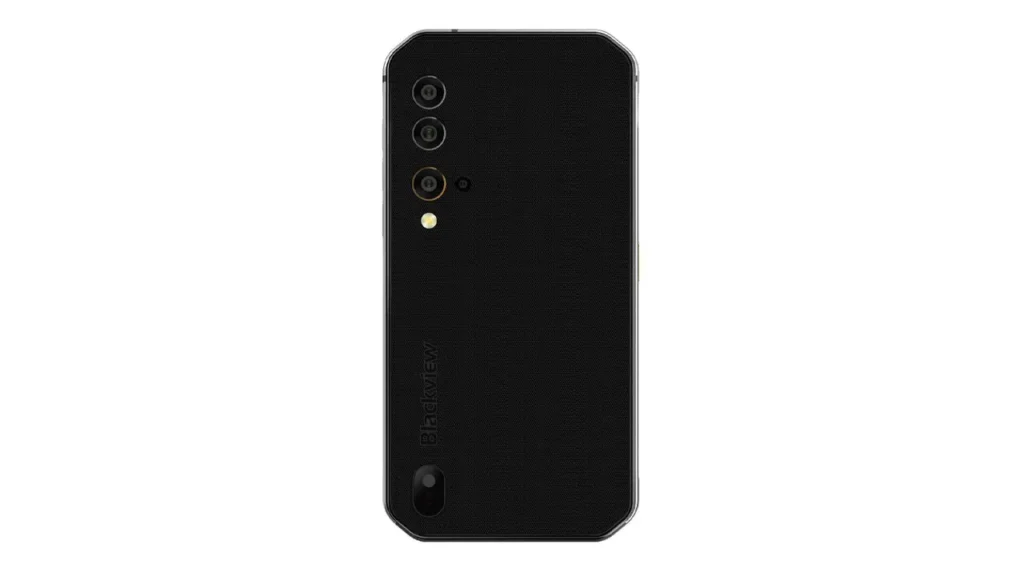
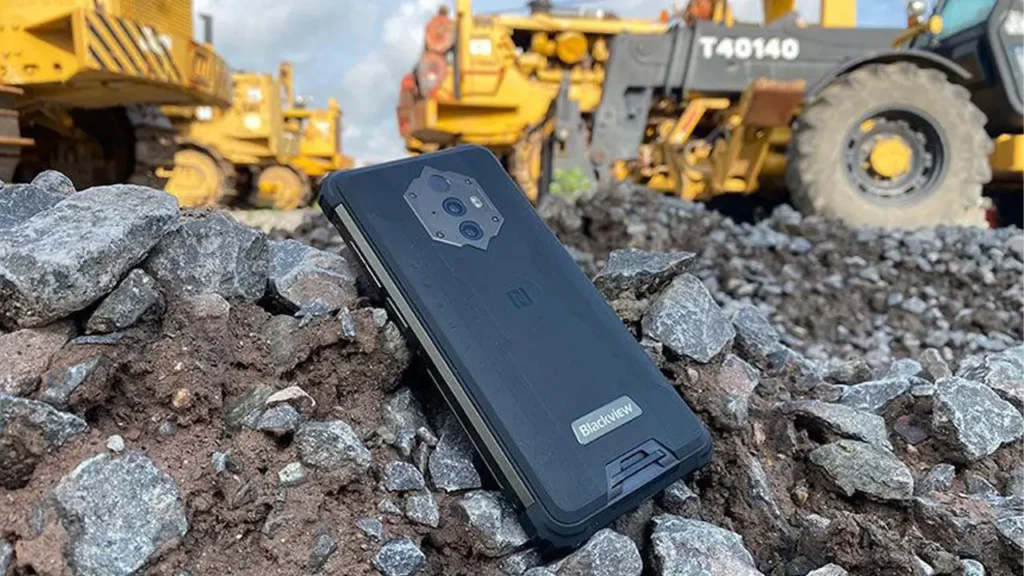
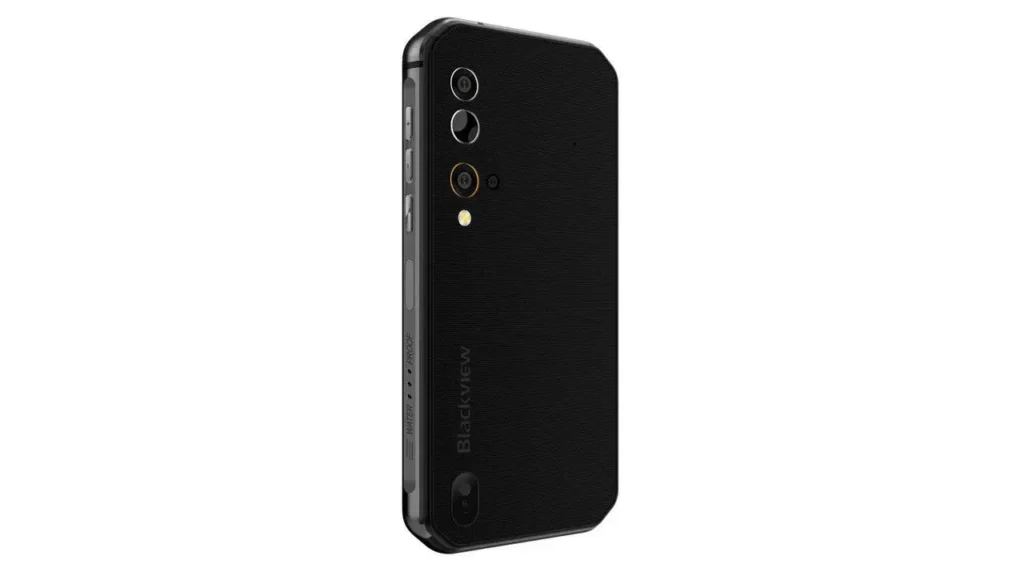
1. Introduction: What Makes the Blackview BV9900E a True Rugged Smartphone?
The Blackview BV9900E arrived on the scene in 2020 as a more accessible alternative to Blackview’s flagship BV9900 Pro, and it made an immediate impression. The Chinese company Blackview managed to preserve all the best qualities of the flagship gadget in this simplified version, which surprised many industry observers. For buyers who wanted serious toughness without paying top-tier flagship prices, the BV9900E hit a sweet spot that very few competitors could match at the time.
What exactly defines a rugged smartphone waterproof device? It’s not just about slapping a rubber bumper on a regular phone. A true rugged phone is engineered from the inside out — reinforced chassis, sealed ports, military-grade certifications, and hardware that can withstand temperature extremes, physical shocks, and prolonged exposure to water and dust. The BV9900E checks all of those boxes, and then some.
The BV9900E takes ruggedness and toughness very seriously, earning certification for top-level IP68, IP69K, and MIL-STD-810G military standards for both waterproofing and dust-proofing. That triple certification isn’t something you see on every phone that brands itself as “rugged.” It’s a genuine, independently verified statement of durability that matters enormously when you’re using your phone in the field, on the water, or in a workshop environment.
Beyond protection, Blackview also made sure the BV9900E is a legitimate daily driver — not just a survival tool. It runs Android 10 out of the box, packs a capable camera system, supports NFC and wireless charging, and delivers a smooth user experience for everyday tasks. This balance between toughness and usability is precisely what makes the BV9900E stand out in the crowded rugged phone category.
2. Design and Body Protection: Blackview BV9900E IP68 IP69K Explained
One of the first things you notice about the Blackview BV9900E is that it looks the part. This is not a slim, glossy smartphone trying to pass itself off as tough. The BV9900E is built with metal and rubberized elements that form a genuinely strong outer shell. The side-mounted fingerprint scanner sits in a natural thumb position and gives the phone a purposeful, premium feel despite its rugged nature.
The display measures 5.84 inches and uses an IPS OGS panel with Full HD resolution — a smart choice for a phone designed for outdoor use. IPS panels render colors accurately in bright sunlight and don’t suffer from the PWM flicker that some AMOLED screens produce, which is worth noting for anyone who uses their phone for long periods in the field. The screen is protected by Corning Gorilla Glass 5, one of the toughest screen protection solutions available, capable of surviving drops onto hard surfaces that would shatter ordinary glass.
The Blackview BV9900E IP68 IP69K dual certification is the real headline here. IP68 means the phone can be submerged in water up to 1.5 meters deep for 30 minutes without any damage. IP69K is an even more demanding standard — it tests resistance to high-pressure, high-temperature water jets. This is the kind of certification used in industrial equipment, and it means you can literally hose down the BV9900E without worry. Combined with dust-tight IP6X protection, the phone is sealed against every particle that could damage internal components.
The dimensions of 78.3 x 156.5 x 14.2 mm and a weight of approximately 264–273 grams reflect the physical reality of all that protection. Yes, it’s heavier and thicker than a standard consumer smartphone. But that weight is the weight of real protection — reinforced corners, sealed ports, and a chassis that doesn’t flex or creak under pressure.
BestChina3DPrinters
Expert Reviews & Rankings
Independent 3D Printer Reviews
Your trusted source for Chinese 3D printer reviews, rankings, and comparisons. We buy, test, and review every printer so you can make informed decisions.
3. Drop Resistance and Protective Standards of the Blackview BV9900E Rugged Phone
The Blackview BV9900E rugged phone doesn’t just survive water — it’s designed to survive the full range of real-world accidents. The MIL-STD-810G certification is a United States military standard that covers an extensive battery of environmental tests. These include drop tests from multiple heights and angles, resistance to vibration, performance across extreme temperature ranges (both hot and cold), and exposure to humidity, altitude, and salt fog.
What does this mean in practical terms? It means the BV9900E has been tested to withstand the kinds of punishment that happen in real working environments — not just in a laboratory scenario designed to produce the best possible marketing result. Users who have owned the phone for extended periods report dropping it countless times, exposing it to engine heat, and taking it into waterfalls, all without any functional failure.
One particularly impressive aspect of the BV9900E’s thermal resilience is its ability to function at extreme temperatures. The phone is designed to remain fully operational at temperatures as low as -30°C, making it genuinely useful in cold climates, winter fieldwork, or alpine environments where ordinary smartphones simply shut down or behave unpredictably. Equally, it handles high-temperature environments better than most consumer devices, making it suitable for work near machinery, in hot climates, or in industrial settings.
The combination of IP68, IP69K, and MIL-STD-810G on a single device is not common even in the rugged phone category. Many phones claim one or two of these certifications — having all three positions the Blackview BV9900E rugged phone as a genuinely serious piece of field equipment.
4. Blackview BV9900E Review: Key Features Worth Knowing
A thorough Blackview BV9900E review has to go beyond protection and look at what this phone actually offers as a daily-use device, because durability alone doesn’t make a smartphone worth buying in 2024–2025.
Starting with the camera, the BV9900E features a quad-camera system on the rear led by a 48MP Sony IMX582 sensor. This is a noteworthy sensor — Sony’s IMX series is used in many well-regarded consumer smartphones, and having it in a rugged phone is a genuine differentiator. The main camera is supported by a 16MP ultra-wide lens with a 120-degree field of view, a 2MP macro lens for close-up shots, and a 5MP depth sensor for portrait photography. The front camera is an 8MP shooter suitable for video calls and selfies.
The phone supports NFC, which means contactless payments, access card emulation, and fast Bluetooth pairing all work out of the box. This is a feature that budget rugged phones often omit, and its inclusion here speaks to the BV9900E’s ambition to be a complete daily driver. Wireless charging support (Qi standard) is another premium feature that makes the BV9900E convenient in environments where plugging in a cable isn’t always practical.
Connectivity is comprehensive: dual-band Wi-Fi (2.4GHz and 5GHz), Bluetooth 5.0, GPS with A-GPS, GLONASS, BeiDou, and Galileo support. The multi-constellation GPS is particularly valuable for outdoor use cases — hiking, surveying, construction — where accurate positioning matters. USB Type-C handles charging and data transfer. The SIM configuration is Dual Nano-SIM with a shared microSD slot for storage expansion.
Android 10 runs clean and well-optimized on the MediaTek Helio P90 chipset. The interface is straightforward, without excessive bloatware, and the phone handles everyday apps, navigation, communication, and light media consumption comfortably.
5. Blackview BV9900E Specs: Full Technical Breakdown
Here is a complete look at the Blackview BV9900E specs in a clean, mobile-friendly format:
| Category | Specification |
|---|---|
| Release Year | 2020 |
| Operating System | Android 10 |
| Display | 5.84-inch IPS, 1080 x 2280 px (FHD+) |
| Screen Protection | Corning Gorilla Glass 5 |
| Chipset | MediaTek Helio P90 (MT6779) |
| CPU | Octa-core: 2x 2.2 GHz Cortex-A75 + 6x 2.0 GHz Cortex-A55 |
| GPU | IMG 9XM-HP8 (PowerVR GM9446), 900 MHz |
| RAM | 6 GB (1866 MHz) |
| Storage | 128 GB + microSD (up to 256 GB) |
| Rear Cameras | 48MP Sony IMX582 + 16MP 120° wide + 2MP macro + 5MP depth |
| Front Camera | 8MP |
| Battery | 4380 mAh Li-Polymer |
| Charging | Fast charging + Wireless charging (Qi) |
| Protection Rating | IP68 + IP69K + MIL-STD-810G |
| Connectivity | 4G LTE, Wi-Fi a/b/g/n/ac (Dual Band), Bluetooth 5.0, NFC, USB-C |
| GPS | GPS, A-GPS, GLONASS, BeiDou, Galileo |
| SIM | Dual Nano-SIM |
| Dimensions | 78.3 x 156.5 x 14.2 mm |
| Weight | ~264–273 g |
| Sensors | Fingerprint (side), Accelerometer, Gyroscope, Compass |
6. Real-World Performance: The Blackview BV9900E Rugged Phone in Action
On paper, the specs look solid. But how does the Blackview BV9900E rugged phone actually perform when you’re using it day after day in demanding conditions?
The MediaTek Helio P90 chipset delivers a well-balanced level of performance. In benchmark testing, the chip scores around 171,897 on AnTuTu and approximately 393 (single-core) and 1,426 (multi-core) on Geekbench — results that position it comfortably in the mid-range tier. For the typical use case of a rugged phone — navigation, communication, field data entry, photography, and occasional media consumption — this performance level is entirely adequate and rarely feels limiting.
The 6GB of RAM ensures smooth multitasking. You can run navigation apps, keep messaging apps open in the background, and switch between tasks without the phone stuttering or force-closing applications. The 128GB of internal storage is generous for a rugged device, and with microSD expansion available, running out of space is genuinely not a concern.
Real-world users who have owned the BV9900E for multiple years report consistently positive experiences. The device has been taken into waterfalls, dropped repeatedly onto hard surfaces, and exposed to heat from vehicle engines — and in documented user accounts, it continued functioning without issue throughout. This kind of real-world validation is ultimately more meaningful than any laboratory certification, because it shows the protection holds up not just on day one but across years of hard use.
One minor note: the phone’s battery management software may aggressively close background apps after a few minutes of screen-off time by default. This is a common Android optimization behavior that can be adjusted per-app in the phone’s settings, and most users address it within the first day of setup.
7. Battery and Autonomy: Blackview BV9900E Battery Life in Detail
The Blackview BV9900E battery life is powered by a 4,380 mAh Li-Polymer cell. According to Blackview’s official data, this battery can deliver up to 22 days of standby time — a figure that reflects the efficient power management of the Helio P90 chipset combined with the relatively modest screen size and resolution.
In active daily use — calls, GPS navigation, photography, and browsing — you can expect a full day of heavy use or up to two days of moderate use on a single charge. For a phone designed to be used outdoors and in field environments where charging opportunities may be limited, this is a very practical battery capacity.
What sets the BV9900E apart from many rugged phones in its class is the combination of fast wired charging and wireless charging (Qi standard). Wireless charging is rare in rugged phones because the sealed, rubberized body typically interferes with charging coil efficiency — but Blackview engineered around this limitation. The result is a phone you can drop onto a wireless charging pad at the end of a hard day without fumbling with port covers. Fast charging via the USB-C port also means that when you do need a quick top-up, you don’t have to wait hours to get back to a usable charge level.
For users in extreme cold environments, the Li-Polymer battery chemistry is a good choice — it retains capacity at low temperatures better than many Li-Ion configurations, which is another thoughtful design decision for a phone rated to -30°C operation.
8. Blackview BV9900E vs Ulefone Power Armor: Head-to-Head Comparison
Now let’s get to the comparison that most buyers are actually interested in: Blackview BV9900E vs Ulefone Power Armor. Both are established names in the Ulefone Power Armor rugged phone category, and they represent genuinely different philosophies about what a rugged phone should be.
The Ulefone Power Armor series spans a wide range of models. For a meaningful comparison against the BV9900E’s profile, the Ulefone Power Armor 14 Pro serves as a strong representative — it carries IP68/IP69K certification, a MediaTek Helio G85 chipset, 6GB RAM, 128GB ROM, a 6.52-inch HD+ display, a 10,000 mAh battery, and runs Android 12. The Ulefone Power Armor 13, which made headlines as one of the world’s largest-battery rugged phones, takes things even further with a 13,200 mAh battery, Helio G95, 8GB RAM, and 256GB storage.
| Feature | Blackview BV9900E | Ulefone Power Armor 14 Pro | Ulefone Power Armor 13 |
|---|---|---|---|
| Release | 2020 | 2022 | 2022 |
| Chipset | Helio P90 | Helio G85 | Helio G95 |
| RAM | 6 GB | 6 GB | 8 GB |
| Storage | 128 GB | 128 GB | 256 GB |
| Display | 5.84″ FHD+ IPS | 6.52″ HD+ IPS | 6.81″ FHD+ IPS |
| Battery | 4,380 mAh | 10,000 mAh | 13,200 mAh |
| Fast Charging | Yes | 18W | 33W |
| Wireless Charging | Yes (Qi) | 15W (Qi) | 15W (Qi) |
| IP Rating | IP68 + IP69K | IP68 + IP69K | IP68 |
| Military Standard | MIL-STD-810G | Not specified | Not specified |
| NFC | Yes | Yes | Yes |
| OS | Android 10 | Android 12 | Android 11 |
| Weight | ~264–273 g | ~300 g | 492 g |
Looking at the comparison table, some clear patterns emerge. The BV9900E is noticeably lighter and more compact than either Ulefone Power Armor model — a meaningful advantage if you carry your phone on your person all day. The Ulefone Power Armor 13’s 492-gram weight is substantial; it’s closer to a small tablet than a phone in terms of hand feel.
The BV9900E’s triple certification (IP68 + IP69K + MIL-STD-810G) represents a more comprehensive protection standard than the Ulefone Power Armor 14 Pro (IP68 + IP69K without a published military standard) and clearly surpasses the Power Armor 13 (IP68 only). For buyers who prioritize certified, documented durability above all else, this distinction matters.
On the other hand, where the Ulefone Power Armor rugged phone series genuinely excels is in camera sophistication on higher-end models and in raw connectivity options on newer releases. The Power Armor 18 and 18T Ultra, for instance, bring 5G connectivity, 108MP cameras, FLIR thermal imaging, and 66W superfast charging — features that place them in a different product category entirely from the BV9900E.
9. Ulefone Power Armor Battery: The Biggest Advantage in the Series
If there is one area where the Ulefone Power Armor battery story completely dominates the conversation, it’s capacity. The Power Armor 13’s 13,200 mAh battery was, at the time of its release, the largest battery ever fitted into a rugged smartphone. The Power Armor 14 Pro’s 10,000 mAh battery is similarly massive by any standard. By contrast, the BV9900E’s 4,380 mAh, while respectable and practical for most users, simply cannot compete in this category.
What does a 13,200 mAh battery actually mean in real life? The Ulefone Power Armor 13 is designed to last multiple days on a single charge even under active use. For professionals on extended deployments — offshore workers, expedition teams, military personnel, remote site engineers — who may not have reliable access to charging infrastructure for days at a time, this level of capacity is genuinely transformative. The Power Armor 13 supports 33W superfast charging and 15W wireless charging (Qi standard), and even offers 5W wireless reverse charging so you can use it to charge other devices.
The Power Armor 14 Pro’s 10,000 mAh battery, paired with 18W fast charging and 15W wireless charging, delivers similar multi-day endurance in a slightly lighter and more manageable package than the 13. For users who want extreme battery life without carrying what is essentially a brick, the 14 Pro is a compelling proposition.
However, it’s important to acknowledge the trade-off. That battery capacity comes at the cost of weight (the Power Armor 13 weighs 492 grams), physical dimensions, and charging time. Fully charging a 13,200 mAh battery even at 33W takes considerable time. The BV9900E’s 4,380 mAh charges significantly faster, giving it a more flexible charging rhythm that suits urban and semi-urban environments where power outlets are readily available.
For users who need to top up quickly and move on, the BV9900E’s approach makes more practical sense. For users who genuinely cannot charge for days at a time, the Ulefone Power Armor battery advantage is simply unmatched in the rugged phone market.
10. Final Verdict: Should You Choose the Blackview BV9900E?
After covering all the ground — design, protection certifications, performance, camera, battery life, and competitive comparison — it’s time to deliver a clear, honest verdict.
The Blackview BV9900E remains a genuinely impressive device for its class and its era. Its combination of IP68, IP69K, and MIL-STD-810G certifications is comprehensive and rare. Its 48MP Sony camera is excellent for a rugged phone. The inclusion of NFC, wireless charging, Bluetooth 5.0, and multi-constellation GPS makes it a complete daily driver, not just a survival tool. At a weight of around 264–273 grams, it’s among the more comfortable rugged phones to carry all day. And users who have lived with it for years consistently confirm that its durability in real-world conditions lives up to its certified ratings.
For a Blackview BV9900E review summary: this phone is the right choice if you want a compact, well-rounded rugged phone with triple protection certification, a capable camera, and a manageable size and weight. It’s ideal for construction workers, hikers, cyclists, first responders, and anyone whose daily environment is genuinely tough on technology.
Where the BV9900E shows its age is in areas like Android version (10 versus 12 or higher on newer competitors), the 4G-only network support (no 5G), and the battery capacity, which — while decent — cannot match the multi-day endurance of the Ulefone Power Armor series.
If multi-day battery endurance away from charging infrastructure is your absolute top priority, the Ulefone Power Armor 14 Pro or Power Armor 13 deserves serious consideration. If you need cutting-edge features like 5G, thermal imaging, or ultra-high-resolution photography in a rugged form factor, the newer Ulefone Power Armor 18 or 18T Ultra raises the bar significantly — at a higher price.
But if you want a proven, battle-tested, comprehensively certified rugged smartphone that does everything well at a sensible size, the Blackview BV9900E earns its reputation and its loyal user base without compromise. It’s the kind of phone that quietly gets on with the job — and keeps doing it, year after year, no matter what you throw at it.
🇺🇸 John Miller
⭐⭐⭐⭐⭐
Great article on the Blackview BV9900E! Clear specs, real insights, and no fluff. The site is easy to navigate and perfect for discovering rugged smartphones. Highly recommended.
🔗 https://bestchinagadget.com/
🇪🇸 Carlos Ramírez
⭐⭐⭐⭐⭐
Excelente análisis del Blackview BV9900E. Información clara y bien estructurada. El sitio es muy útil para encontrar smartphones resistentes. Volveré seguro.
🔗 https://bestchinagadget.com/
🇸🇦 أحمد الحربي
⭐⭐⭐⭐⭐
مقال رائع عن Blackview BV9900E، شرح مفصل وسهل الفهم. الموقع منظم ويقدم مراجعات مفيدة جداً للهواتف القوية. أنصح به بشدة.
🔗 https://bestchinagadget.com/
🇨🇳 王伟 (Wang Wei)
⭐⭐⭐⭐⭐
关于Blackview BV9900E的评测非常专业,信息详细且实用。网站内容质量很高,适合查找耐用手机的用户。
🔗 https://bestchinagadget.com/
🇫🇷 Jean Dupont
⭐⭐⭐⭐⭐
Très bon article sur le Blackview BV9900E. Les informations sont claires et utiles. Le site est parfait pour découvrir les smartphones robustes.
🔗 https://bestchinagadget.com/
🇩🇪 Max Schneider
⭐⭐⭐⭐⭐
Sehr guter Testbericht zum Blackview BV9900E. Alles ist klar erklärt und übersichtlich dargestellt. Perfekte Seite für Technikfans.
🔗 https://bestchinagadget.com/