
Xiaomi 17 Ultra – Specs, Camera, Price & Release Date
The Xiaomi 17 Ultra is here, and it has arrived with a bang. Announced in China in December 2025, this powerhouse flagship is now heading to global markets — with the official Xiaomi 17 Ultra release date confirmed for February 28, 2026, just ahead of MWC Barcelona. If you have been keeping an eye on the Xiaomi flagship 2026 lineup, this is the one that deserves your full attention. From a 1-inch main camera sensor co-engineered with Leica to a jaw-dropping 6,800 mAh battery, the Xiaomi 17 Ultra is built to challenge every premium smartphone on the planet.
1. Introduction – Xiaomi 17 Ultra Overview
Every year Xiaomi’s Ultra model raises the bar for what a smartphone camera can do, and 2026 is no exception. The Xiaomi 17 Ultra picks up the baton from the 15 Ultra and runs even further with it — adding a record-breaking 200-megapixel periscope telephoto, a larger battery, and the newest Snapdragon silicon. It is the centerpiece of the Xiaomi 17 series, a lineup that also includes the base Xiaomi 17, the Xiaomi 17 Pro, and the Xiaomi 17 Pro Max, all launched in China in September 2025.
The global community had to wait a few extra months for the Ultra variant, but the wait is practically over. Xiaomi confirmed the worldwide rollout through an official tweet on December 25, 2025, teasing it as a “next-generation optical system” developed in collaboration with Leica Camera. What does that mean in practice? Read on — because the details are genuinely exciting.
This article covers everything you need to know: design, display, chipset, camera system, battery, full specs, pricing, and early impressions. Think of it as your single-stop guide before you decide whether to upgrade or wait.
2. Xiaomi 17 Ultra Design and Build Quality
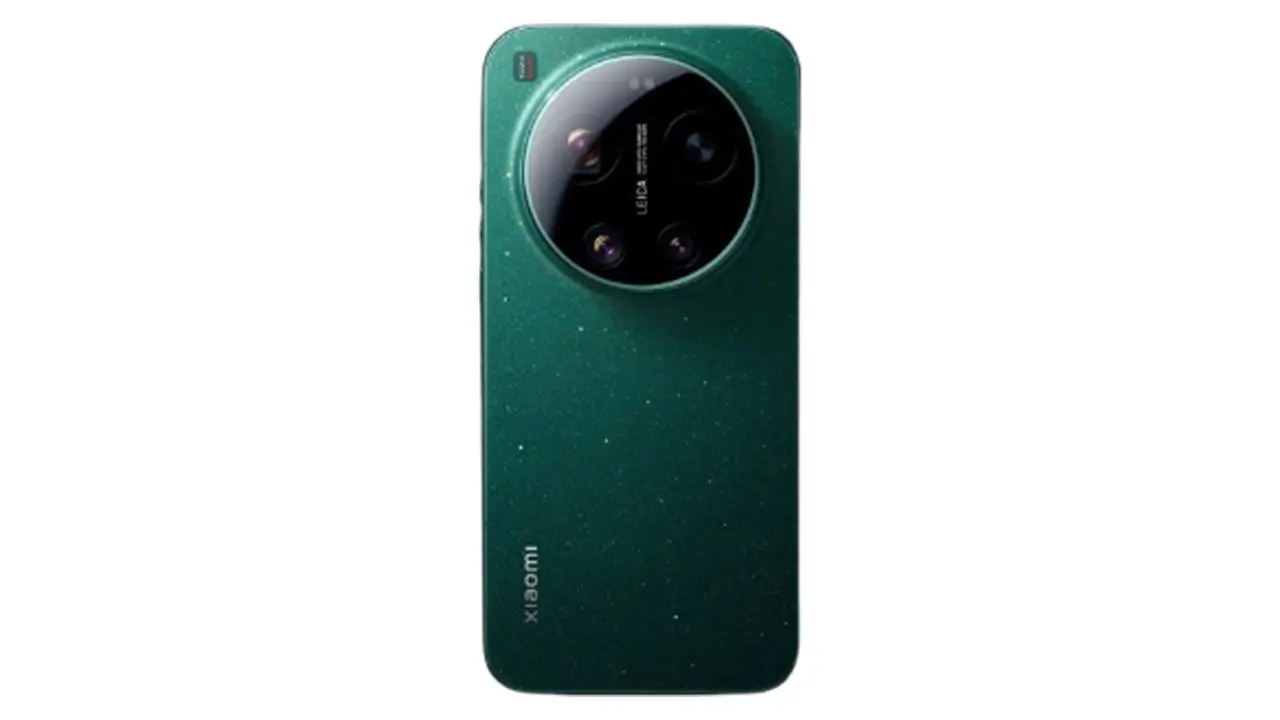
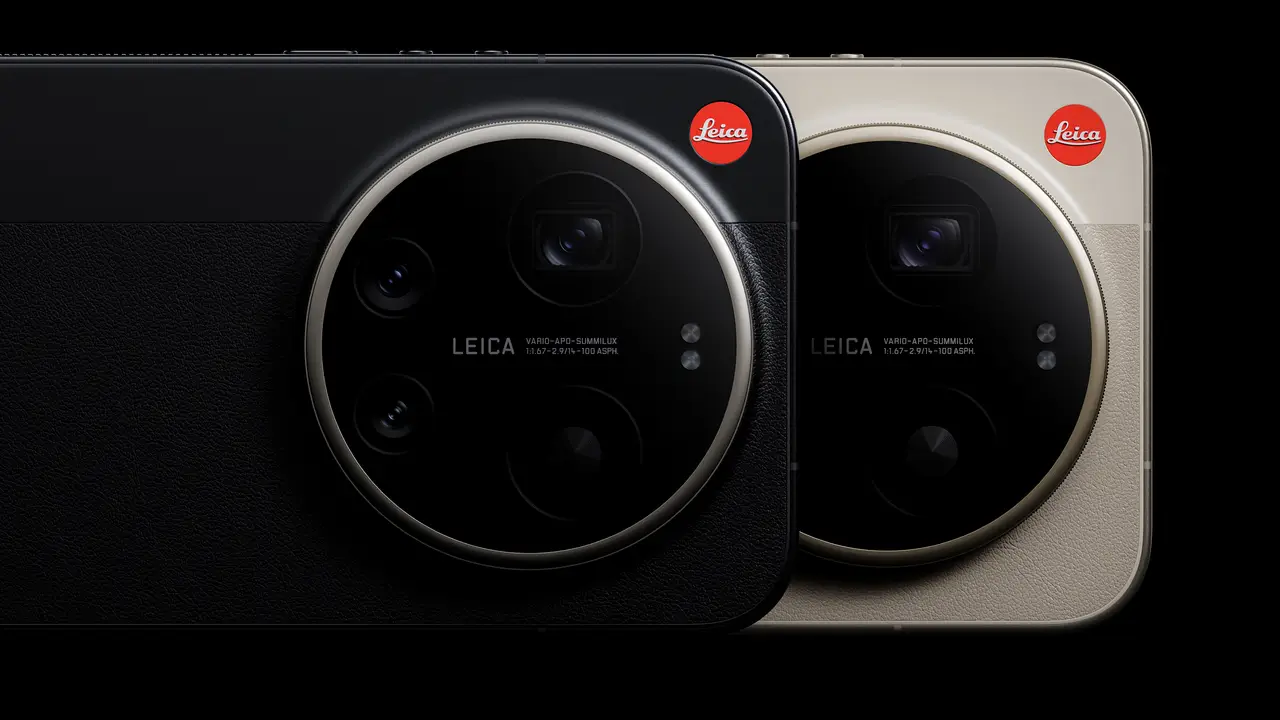
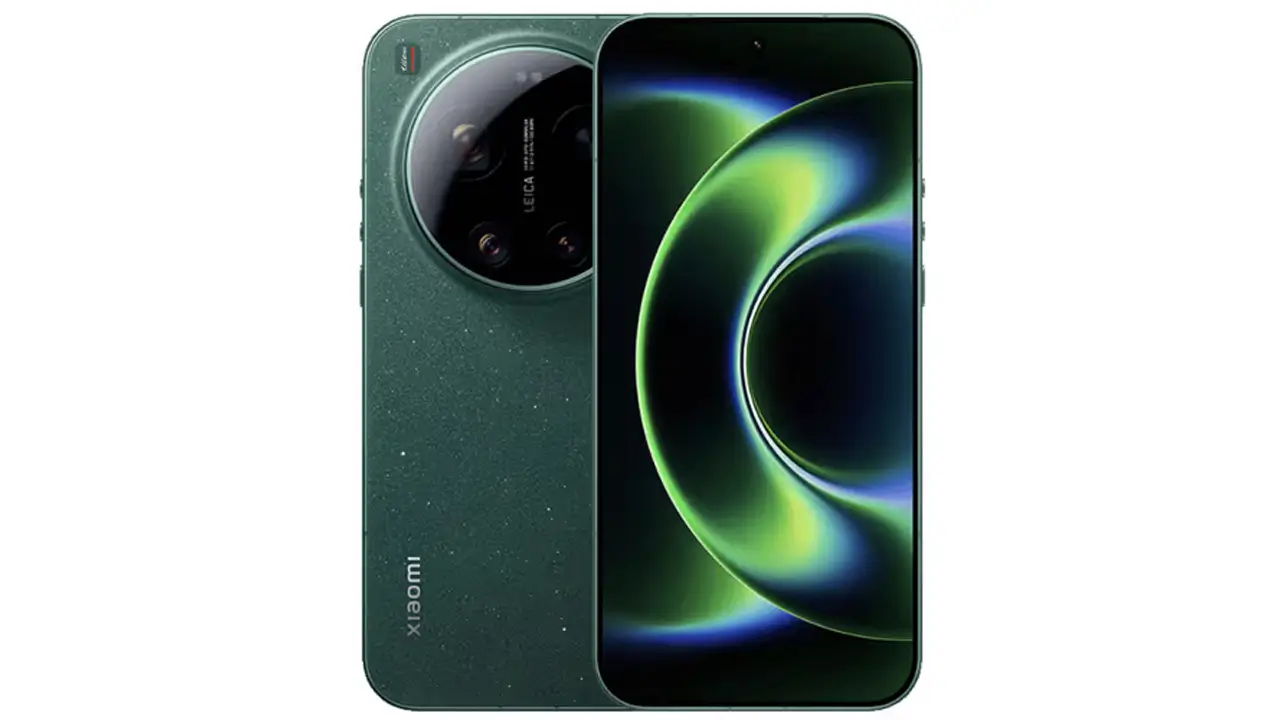
Xiaomi has always understood that a flagship is as much about feel as it is about function, and the 17 Ultra continues that tradition with a refined, premium aesthetic. The phone features a large circular camera island on the back — a design signature the Ultra line has carried since the 13 Ultra — but it has been reworked for a cleaner, more intentional look. The standard edition comes with a matte ceramic-like rear finish, while the special Leica Edition swaps that for vegan leather and adds a rotating mechanical zoom ring around the main lens, which is something you simply do not find on any competing flagship.
The chassis is built around premium materials with glass on both the front and back, and it carries an IP68 rating for dust and water resistance, giving you peace of mind in everyday use. At 6.9 inches, this is a large phone — not a surprise given the Ultra positioning — and it sits comfortably in the hand thanks to rounded edges and a balanced weight distribution. The color options for the global launch include a Starry Green variant that Xiaomi teased in the lead-up to the February 28 event, alongside the classic Leica Edition black-and-silver colorway.
Build quality feels like a genuine step up over mass-market flagships, and the attention to craft — especially on the Leica Edition — makes the Xiaomi 17 Ultra feel like a camera that also happens to be a phone, rather than the other way around.
3. Xiaomi 17 Ultra Display Technology
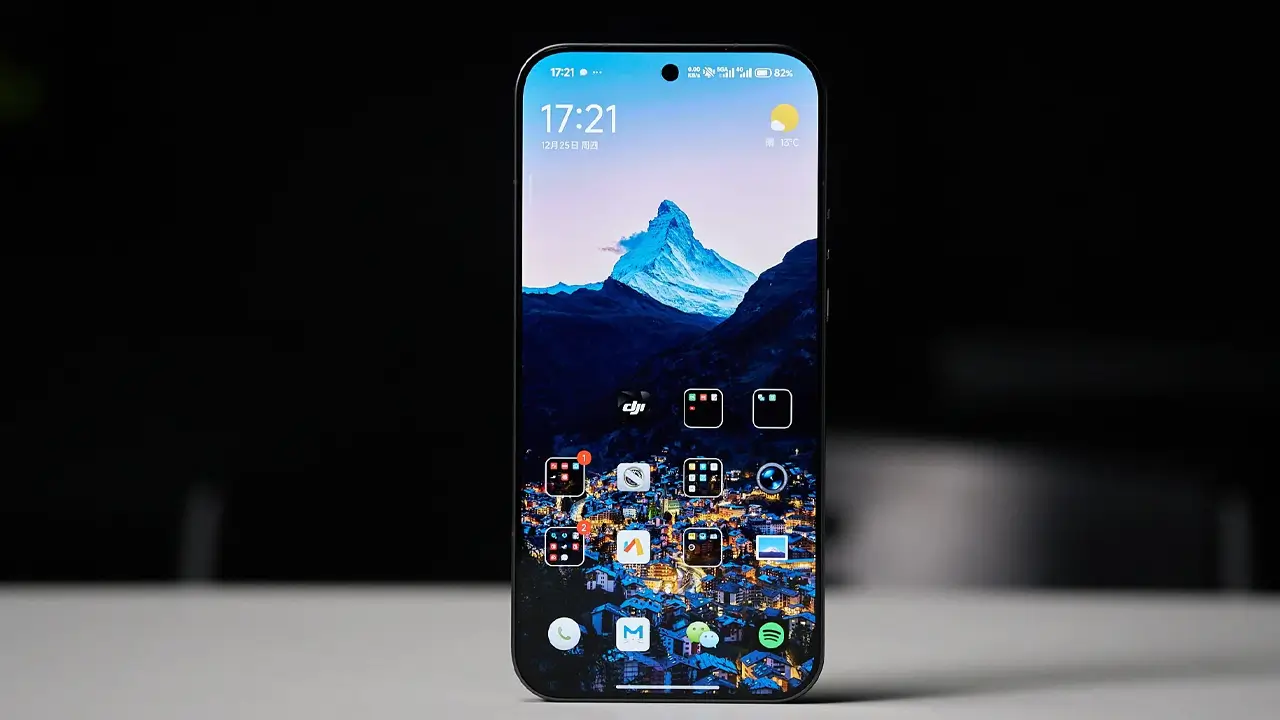
The Xiaomi 17 Ultra display is a 6.9-inch LTPO AMOLED panel with a resolution of 2608 × 1200 pixels — delivering sharp, vibrant visuals whether you are editing photos, watching HDR content, or just browsing social media. The panel supports a 120 Hz adaptive refresh rate with a 240 Hz touch sampling rate, which keeps animations buttery-smooth while saving battery during static content.
Peak brightness reaches an impressive 3,000 nits, making outdoor readability a non-issue even in direct sunlight. The display supports HDR10+, HDR Vivid, and Dolby Vision, covering all major HDR standards. It also uses 12-bit color depth, resulting in over a billion shades for gradients that are virtually banding-free. The in-display fingerprint reader rounds off the experience, providing fast and reliable biometric authentication without any additional hardware on the sides or back.
For content creators and mobile gamers alike, this is one of the finest panels currently shipping in a smartphone. The combination of extreme brightness, HDR support, high touch sampling, and AMOLED contrast puts it comfortably in the top tier of display technology available in 2026.
4. Performance and Xiaomi 17 Ultra Snapdragon Chip
Under the hood, the Xiaomi 17 Ultra Snapdragon story is about the Qualcomm Snapdragon 8 Elite Gen 5, built on a cutting-edge 3 nm process. This octa-core chip clocks up to 3.3 GHz and represents the most powerful mobile processor Qualcomm has produced to date. Whether you are running AI-enhanced photo processing, playing the most demanding mobile games at ultra settings, or multitasking across productivity apps, the chip barely breaks a sweat.
The phone ships with 12 GB or 16 GB of LPDDR5X RAM, paired with 512 GB or 1 TB of UFS storage. The 1 TB variant is the highest storage option Xiaomi has ever offered in an Ultra model, and it makes perfect sense given the massive file sizes generated by the 200-megapixel camera. The Snapdragon 8 Elite Gen 5 also includes a powerful NPU (Neural Processing Unit) that accelerates on-device AI tasks — from real-time scene recognition to AI video editing and computational photography.
The software running on top of all this hardware is Xiaomi HyperOS 3 based on Android 16, which offers a refined, gesture-driven experience with improved system-wide AI integrations. Thermal management has also seen improvements, so sustained performance under heavy load remains stable over extended gaming or recording sessions.
5. Xiaomi 17 Ultra Camera System
This is where the Xiaomi 17 Ultra camera system genuinely separates itself from the competition. The rear camera setup is a triple-lens configuration engineered in partnership with Leica, using Leica Summilux optics across all three sensors:
Main Camera: 50 MP with a 1-inch OmniVision OV50X sensor, f/1.67 aperture, equivalent focal length of 23 mm, and support for 4-in-1 pixel binning at 3.2 µm. The 1-inch sensor captures dramatically more light than the sensors found in most rival flagships, translating to richer colors, more dynamic range, and significantly better low-light performance.
Periscope Telephoto: 200 MP, 1/1.4-inch sensor, f/2.4–3.0 variable aperture, multi-directional PDAF, supporting optical zoom of 200 mm (equivalent) and digital zoom up to 400 mm. Two hundred megapixels on a telephoto lens is an industry first at this scale, giving you extraordinary detail when you zoom in on a subject across a stadium or a mountain ridge.
Ultrawide: 50 MP, 14 mm equivalent focal length, f/2.2 aperture, 115-degree field of view, 1/2.76-inch sensor. This lens makes architectural photography and sweeping landscapes easy to capture without heavy distortion.
For selfies, there is a capable front-facing camera integrated flush into the display. Night photography benefits from sensor-shift optical image stabilization on the main camera, Leica’s proprietary color tuning, and AI-powered multi-frame processing. Video recording goes up to 8K on the main sensor and includes Dolby Vision HDR video capture — a feature that was only available on Apple iPhones until very recently.
The Leica Edition adds a physical rotating zoom ring around the main lens, giving photographers tactile control that no software interface can fully replicate. It is the kind of feature that photo enthusiasts will genuinely love using every day.
6. Xiaomi 17 Ultra Battery and Charging
The Xiaomi 17 Ultra battery is a massive 6,800 mAh silicon-carbon cell — one of the largest capacities ever fitted into a flagship smartphone of this form factor. In real-world usage, this translates to well over a full day of use even under heavy load, and lighter users can reasonably expect to stretch it into a second day.
Charging is where Xiaomi has always led the industry, and the 17 Ultra does not disappoint. It supports 90 W wired HyperCharge, which can take the phone from flat to a significant charge in under 40 minutes. Wireless charging comes in at 50 W, which is faster than most competing flagships’ wired charging speeds. And yes, reverse wireless charging is included, so you can top up your earbuds or smartwatch by placing them on the back of the phone.
It is worth noting that the global variant of the Xiaomi 17 Ultra carries the same 6,800 mAh cell as the Chinese version — a decision that Xiaomi clearly made to avoid compromising on the phone’s signature strength. The battery is complemented by intelligent power management in HyperOS 3, which learns your usage patterns and optimizes background activity accordingly.
7. Xiaomi 17 Ultra Specs – Full Breakdown
Here is a complete look at the Xiaomi 17 Ultra specs based on officially confirmed information:
| Category | Specification |
|---|---|
| Announced | December 2025 (China); Global – February 28, 2026 |
| OS | Android 16 / Xiaomi HyperOS 3 |
| Display | 6.9-inch LTPO AMOLED, 2608 × 1200 px, 120 Hz, 3000 nits peak |
| HDR | HDR10+, HDR Vivid, Dolby Vision |
| Color Depth | 12-bit |
| Chipset | Qualcomm Snapdragon 8 Elite Gen 5 (3 nm) |
| CPU | Octa-core, up to 3.3 GHz |
| RAM | 12 GB / 16 GB LPDDR5X |
| Storage | 512 GB / 1 TB UFS |
| Main Camera | 50 MP, 1-inch OmniVision OV50X, f/1.67, 23 mm eq. |
| Telephoto | 200 MP, 1/1.4-inch, f/2.4–3.0, periscope, 200 mm–400 mm zoom |
| Ultrawide | 50 MP, f/2.2, 14 mm eq., 115° FoV |
| Optics | Leica Summilux lenses (all three cameras) |
| Battery | 6,800 mAh silicon-carbon |
| Wired Charging | 90 W HyperCharge |
| Wireless Charging | 50 W |
| Reverse Wireless | Yes |
| Connectivity | 5G, Wi-Fi 7, Bluetooth 5.4, NFC, USB-C |
| Biometrics | In-display optical fingerprint, Face ID |
| Water Resistance | IP68 |
| Colors | Starry Green, Black (standard); Leica Edition (vegan leather) |
8. Xiaomi 17 Ultra Price Expectations
Pricing for the Xiaomi 17 Ultra price at global launch is expected to follow a premium tier structure. Based on leaked information and Xiaomi’s historical pricing patterns, the global variants are expected to land at approximately EUR 1,499 (~$1,770) for the 512 GB model and EUR 1,699 (~$2,000) for the 1 TB variant in Europe. Indian pricing is anticipated around ₹1,35,000 for the Ultra.
To put this in context, the Xiaomi 15 Ultra launched globally at around $1,400 in select markets, so the 17 Ultra represents a modest premium increase — justified, arguably, by the 200 MP telephoto, the larger battery, and the new Snapdragon chipset. In comparison, the Samsung Galaxy S25 Ultra starts at approximately $1,299 and Apple’s iPhone 17 Pro Max is in a similar ballpark, making the Xiaomi 17 Ultra the more expensive option on paper.
| Variant | Storage | Est. EU Price | Est. USD |
|---|---|---|---|
| Standard | 512 GB / 16 GB RAM | €1,499 | ~$1,770 |
| Standard | 1 TB / 16 GB RAM | €1,699 | ~$2,000 |
| Leica Edition | 1 TB / 16 GB RAM | TBC | Premium over standard |
The value proposition here is genuinely strong if camera performance is your priority. You are effectively getting a high-end computational photography system built into a daily driver, which justifies the cost for serious mobile photographers. Casual users who are happy with a good-but-not-obsessive camera system might find the base Xiaomi 17 at EUR 999 a much more sensible choice.
9. Xiaomi 17 Ultra Review – Early Impressions
Early Xiaomi 17 Ultra review coverage from Chinese media and independent tech journalists who got hands-on access after the December 2025 China launch has been largely positive, with a few nuances worth highlighting.
Camera performance is the headline story, and rightfully so. The 1-inch main sensor delivers exceptional dynamic range and natural color rendering in line with Leica’s aesthetic philosophy — expect slightly warmer tones and beautiful bokeh at wide apertures. The 200 MP telephoto is a genuine revelation for zoom photography: even at extreme magnifications, images retain impressive detail and clarity. Low-light performance with the main sensor is among the best ever seen on a smartphone.
The one area that has received slightly mixed feedback is video. While video quality is very good by any objective standard, some reviewers felt it did not represent as large a leap over the 15 Ultra as the stills performance did. This is likely a software/processing area where firmware updates could make improvements over time — which is common for Xiaomi’s Ultra models in the months after launch.
HyperOS 3 feels polished and fast on the Snapdragon 8 Elite Gen 5, with no notable lag or stutter during testing. AI features — including AI photo editing, AI transcription, and contextual smart suggestions — are genuinely useful rather than just marketing talking points. Battery life preliminary impressions are excellent, with the 6,800 mAh cell easily lasting a full day under heavy camera use, gaming, and 5G browsing.
The Leica Edition is generating significant buzz due to extremely high demand and limited supply. The rotating zoom ring is reportedly a bit loose on some early units — Xiaomi has acknowledged this and explained it is a manufacturing tolerance that has since been addressed. It does not affect image quality, only the tactile feel of rotating the ring.
Overall early sentiment places the Xiaomi 17 Ultra as one of the strongest camera phones ever released and a legitimate competitor to the iPhone 17 Pro Max and Samsung Galaxy S25 Ultra, often exceeding them in pure photographic output.
10. Final Verdict – Should You Wait for Xiaomi 17 Ultra?
The Bottom Line
If mobile photography is your primary passion and you want the absolute best camera technology money can buy in a smartphone in 2026, the Xiaomi 17 Ultra is almost certainly the device you have been waiting for. The combination of a 1-inch main sensor, a 200 MP periscope telephoto, Leica Summilux optics across all three cameras, and the Snapdragon 8 Elite Gen 5 is simply unmatched in the current market.
The 6,800 mAh battery eliminates battery anxiety entirely, the 90 W wired and 50 W wireless charging are among the fastest available, and the 6.9-inch 3000-nit AMOLED display is a joy to use whether you are reviewing your shots or watching HDR content.
The premium pricing — starting around EUR 1,499 — is the only real barrier. If that is within your budget and photography matters deeply to you, do not hesitate. If you are a casual user or need to stay under $1,000, the base Xiaomi 17 at EUR 999 is excellent value. But for the person who wants it all in one device, the Xiaomi 17 Ultra is the flagship 2026 benchmark.
Buy if: Camera quality is your top priority and budget is flexible.
Curious about the next wave of Chinese innovation beyond smartphones? From powerful flagship devices to cutting-edge manufacturing tech, the ecosystem is evolving fast. If you’re interested in high-performance machines for creators and makers, explore the latest models, comparisons, and expert insights here: https://bestchina3dprinters.com/
